
Pruning
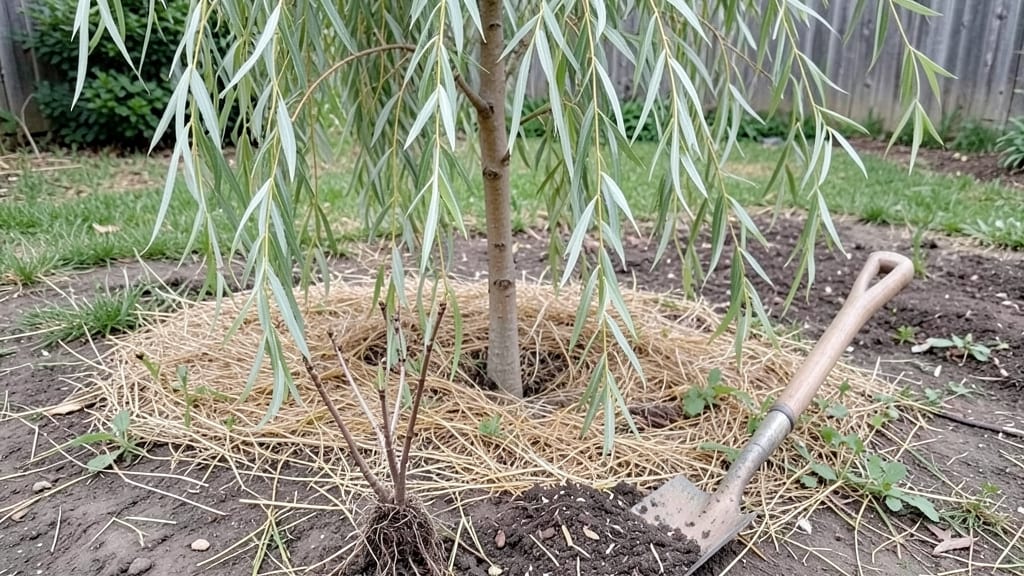
Planting a willow tree means healthy roots that spread faster than you think—especially when you nail the soil and sunlight from day one. I’ve watched willows transform bare spots into lush, fast-growing shade within a single season, and the secret isn’t just picking the right variety.
It’s about the groundwork: loose, moist soil and a spot where roots can stretch without competition. The weeping willow’s graceful branches or the crack willow’s sturdy form both need the same solid start.
You’ll need a shovel, mulch, and a deep hole—twice as wide as the root ball but no deeper. Willow roots love water but hate soggy feet, so well-draining soil is non-negotiable. For regions with heavy clay, amending with compost or sand makes all the difference.
And here’s the kicker: willows thrive along water’s edge but adapt to dry land too, as long as you keep them hydrated those first critical weeks. That first watering should soak the soil to a foot deep—no half-measures.
What you’ll end up with is a tree that grows 3-5 feet per year, its roots weaving through the earth while its branches sway in the breeze. The weeping willow’s cascading limbs create a living canopy, while the crack willow’s upright form adds structure.
By summer’s end, you’ll see new shoots pushing through the soil, a sign your willow has taken hold. The key? Consistency in watering and patience—willows don’t rush, but they reward the effort with resilience.
Works for sunny yards, waterfront properties, or even urban spaces with enough room for roots to roam. Just remember: willows aren’t picky, but they are generous—once planted right, they’ll outlast most other trees in your landscape. Let’s get those roots growing.
📚 In This Guide
- What you need
- Instructions
- Tips and common mistakes
- Wrapping up and next steps
What you need
- ● Willow tree saplings: 1–3 (depending on desired spacing; choose Salix species like Salix babylonica or Salix alba for best results).
- ● Shovel or trowel: 1 medium-sized (for digging holes 2–3 times wider than the root ball).
- ● Garden fork: 1 (to loosen soil and improve drainage).
- ● Compost or well-rotted manure: 5–10 gallons (for enriching planting soil).
- ● Mulch (straw, wood chips, or bark): 2–3 inches (to retain moisture and suppress weeds).
- ● Watering can or hose: 1 (with a gentle spray nozzle for post-planting hydration).
- ● Pruning shears: 1 pair (to trim damaged roots or branches).
- ○ Stakes (optional but helpful): 2–3 wooden or bamboo stakes + soft ties (for young trees in windy areas).
- ● Root stimulator: 1 bottle (to encourage faster root growth).
- ● Soil pH tester: 1 (willows thrive in slightly acidic to neutral soil, pH 6.0–7.5).
- ● Tree guard or protective collar: 1 (to shield from pests or curious critters).
- ● Drip irrigation kit: 1 (for consistent watering in dry climates).
- ● Gloves: 1 pair (to protect hands from thorns or rough bark).
Step-by-Step instructions for planting healthy willow trees
Here’s how to plant willows for strong, resilient growth that thrives year-round.
Choose the Right Location and Prepare the Soil
Willows love moisture and space, so pick a spot with at least 6 feet of clearance from structures and other plants. They also need full sun to partial shade—at least 4-6 hours of direct sunlight daily. If planting near water, ensure the area drains well to prevent root rot.
Loosen the soil to a depth of 12-18 inches with a shovel or tiller. Willow roots spread aggressively, so avoid compacted soil. Mix in 2-3 inches of compost to improve drainage and fertility. The soil should feel slightly damp but not soggy—willows hate waterlogged roots.
Dig the Hole and Position the Root Ball
Dig a hole twice as wide as the root ball but no deeper. This gives roots room to spread without sinking too far. Gently remove the willow from its container and loosen any circling roots with your fingers. If the root ball is tightly bound, make 2-3 vertical cuts to encourage outward growth.
Place the tree in the hole so the top of the root ball sits 1-2 inches above ground level. This prevents water from pooling around the stem. Backfill with native soil, tamping lightly as you go to remove air pockets. Water deeply to settle the soil around the roots.
Water Thoroughly and Mulch for Retention
Water the newly planted willow deeply right after planting—about 5 gallons—to encourage roots to spread. Keep the soil consistently moist for the first 2-3 weeks, especially in dry climates. Overwatering can suffocate roots, but letting the soil dry out too much stresses young trees.
Apply 2-3 inches of mulch (like wood chips or straw) around the base, keeping it 3-4 inches away from the trunk to prevent rot. Mulch helps retain moisture and regulates soil temperature. Replenish as needed, but avoid piling mulch against the stem.
Stake and Protect for Stability
Willows grow tall quickly, so staking helps them establish balance. Use two stakes placed 6-12 inches from the trunk and tie the tree loosely with soft fabric strips (never wire). This prevents trunk damage as the tree sways in wind. Remove stakes after 12-18 months once the roots are firmly anchored.
If planting in a high-wind area, consider a tree guard to shield young willows from damage. Prune any broken branches immediately, but avoid heavy pruning in the first year—let the tree focus on root growth. Fertilize lightly in spring with a balanced 10-10-10 formula if the soil is poor.
Monitor and Maintain for Long-Term Health
Check the soil moisture weekly—willows need 1-2 inches of water per week, more in extreme heat. Yellowing leaves often signal overwatering or poor drainage, while crispy edges mean underwatering. Adjust your watering routine based on leaf color and soil dryness.
Prune willows in late winter or early spring before new growth begins. Remove dead, diseased, or crossing branches to improve airflow. Avoid heavy pruning, as willows regenerate quickly but may produce weak growth if overtrimmed. With proper care, your willow will thrive for decades.
Tips & tricks for planting healthy willow trees
Planting willows right means focusing on their natural tendencies—aggressive roots and thirst for moisture. These small adjustments make all the difference for long-term health.
Soil Preparation Matters: In Step 1, when loosening soil to 12-18 inches, take extra care in clay-heavy areas. Compacted soil can strangle young roots. If your soil drains poorly, consider adding a 3-inch sand layer at the bottom of the hole before planting. Willow roots need oxygen just as much as water.
Root Ball Handling: The 2-3 vertical cuts in Step 2 are crucial for root ball-bound willows. Use a sharp knife to make clean cuts—don't tear the roots. This encourages outward growth rather than circling roots that can girdle the tree. Gently spreading the roots before planting gives them a head start on establishing.
Watering Wisdom: That initial 5-gallon watering in Step 3 should be done slowly to prevent runoff. Use a soaker hose or drip irrigation to deliver water directly to the root zone. For the first 2-3 weeks, check soil moisture daily—stick your finger 2 inches down. If it's dry, water again. Willow roots need consistent moisture to spread properly.
Mulch Application: When applying 2-3 inches of mulch in Step 3, choose organic materials like wood chips or straw. These break down slowly, improving soil structure over time. Avoid thick mulch layers—more than 3 inches can suffocate roots by blocking oxygen and creating anaerobic conditions.
Pro Tips for Willow Tree Planting
- Planting willows right means focusing on their natural tendencies—aggressive roots and thirst for moisture.
- Soil Preparation Matters: In Step 1, when loosening soil to 12-18 inches, take extra care in clay-heavy areas.
- Root Ball Handling: The 2-3 vertical cuts in Step 2 are crucial for root ball-bound willows.
Frequently asked questions
Got questions about willow tree planting? You’re not alone! Here are some of the most common concerns—plus straightforward answers to help you grow a thriving willow with confidence.
When is the best time to plant a willow tree?
The ideal window is early spring (just as new leaves emerge) or fall (4–6 weeks before frost). Willow trees thrive in moist soil, so planting in spring lets roots establish before summer heat. Avoid planting in winter—frozen ground can stunt growth.
How much water does a willow tree need?
Willows are water-loving! Keep soil consistently moist (not soggy) for the first year, especially in hot climates. After establishment, they tolerate occasional drought but grow fastest near ponds, streams, or with regular deep watering (1–2 inches per week).
Can I plant a willow tree in a small yard?
Willows can spread aggressively—some varieties (like Salix babylonica) grow 30+ feet wide! Opt for dwarf varieties (e.g., Salix caprea) or plant in containers with root barriers. Always check local regulations—some areas restrict willows due to their invasive nature.
Why are my willow leaves turning yellow?
Yellowing leaves often signal overwatering or nutrient deficiency. Check soil drainage—willows hate "wet feet." Amend clay soil with compost, and fertilize lightly in spring with a balanced 10-10-10 formula. Fungal issues (like powdery mildew) may need fungicide treatment.
How fast do willow trees grow?
Willows are fast growers—expect 3–6 feet per year under ideal conditions! Some varieties (e.g., Salix matsudana) can shoot up 10+ feet annually. Prune young trees to encourage strong structure, but avoid heavy trimming in late summer (it stimulates weak, late-season growth).
Can I propagate a willow tree from cuttings?
Willow cuttings root easily in water. Take 6–12-inch hardwood or semi-hardwood cuttings in late winter/early spring, strip lower leaves, and place in a jar of water. Roots form in 2–4 weeks—transplant once they’re 2–3 inches long. Pro tip: Use a rooting hormone for faster success!
Wrapping up and next steps
Planting a willow tree isn’t just about adding beauty to your landscape—it’s a rewarding way to nurture nature’s resilience and flexibility.
Whether you’re drawn to its graceful branches or its year-round growth potential, willows thrive with the right care, from soil prep to pruning. Now that you’ve got the secrets to success, why not take the next step?
🌱 Start small: Grab your tools, pick a sunny spot, and plant your first willow sapling this weekend. Or, if you’re feeling ambitious, turn it into a family project—kids love watching trees grow! Your future shade (and maybe even a natural privacy screen) starts with one simple act today.