
Pruning
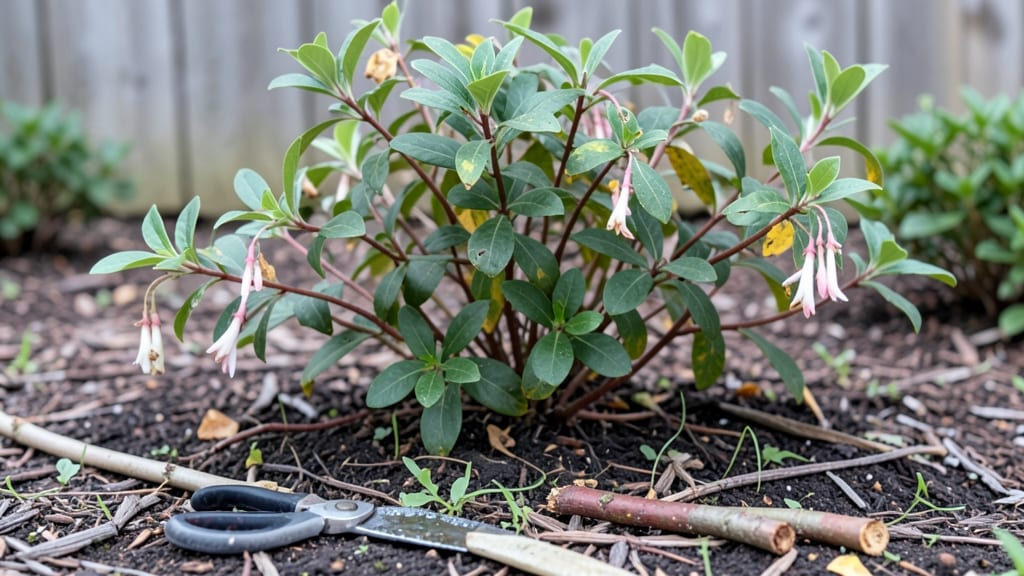
Pruning abelia plants keeps them healthy and bushier than ever, but timing and technique make all the difference. 🌿 I’ve spent years watching abelia shrubs go from leggy messes to perfectly shaped, blooming powerhouses—just by following a few key rules.
The secret isn’t cutting back hard; it’s understanding when and how to guide growth.
You’ll need sharp pruners, gloves, and a clear morning to work—no overcast days or wet foliage. Start with light pruning in early spring to shape new growth, then do a deeper cutback in late winter to rejuvenate mature plants.
The goal? Encourage dense, flowering stems while keeping the shrub’s natural form intact.
By summer, you’ll see fuller branches with more blooms than you’ve ever had before. The foliage stays vibrant, the plant resists disease better, and you avoid that sad, woody look that comes from neglect. This method works for both small garden abelias and larger landscape specimens.
Fair warning: Over-pruning in fall can stunt next year’s flowers, and skipping spring cuts lets the plant get too leggy. But once you get the rhythm, abelia pruning becomes second nature—and your shrubs will thank you with lush, year-round interest.
📚 In This Guide
- What you need
- Instructions
- Tips and common mistakes
- Wrapping up and next steps
What you need
- ● Sharp bypass pruners – One pair (sterilized with rubbing alcohol to prevent disease spread). Look for ergonomic handles for comfort during extended use.
- ● Hand pruners (felco or similar) – One pair for smaller branches (1/4"–3/4" diameter). Opt for bypass blades for clean cuts.
- ● Loppers – One pair (for branches up to 1.5" thick). Choose ratcheting loppers for leverage on stubborn growth.
- ● Pruning saw – One (for thick, woody stems over 1.5" in diameter). A curved blade makes it easier to navigate tight spaces.
- ● Disposable gloves – One pair (nitrile or leather) to protect against thorns and sap irritation.
- ● Rubbing alcohol (70% isopropyl) – Small bottle for sterilizing tools between cuts.
- ○ Pruning sealant (optional but helpful) – Small tube (e.g., Tanglefoot Tree Wound Pruning Seal) to coat cuts larger than 1/4" if needed.
- ● Hose or spray bottle – To clean sap off tools and rinse leaves post-pruning.
- ● Garden twine or clips – For temporarily securing branches during shaping.
- ● Notebook & pen – To sketch your pruning plan or track growth patterns over time.
- ● Mulch or compost – Small bag to replenish soil after pruning for a nutrient boost.
Step-by-Step guide for pruning abelia plants
Keep your abelia looking lush and blooming all season with this simple pruning routine.
✂️ Step 1: Prune Immediately After Flowering
Right after your abelia finishes blooming—usually in late summer or early fall—grab your pruners and cut back any spent flowers and leggy stems. This encourages fresh growth and keeps the plant compact. Look for stems that have lost their flowers or are stretching too far from the main shape. Cut just above a leaf node or bud, making a clean angle at a 45-degree to prevent water from pooling.
Here's the thing—abelias bloom on new wood, so pruning after flowering doesn't remove next year's blooms. In fact, skipping this step means fewer flowers next season. I always prune on a dry morning to reduce the risk of disease entering through fresh cuts. If you see any dead or diseased branches, remove those first—they can spread problems to healthy growth.
✂️ Step 2: Shape the Plant in Late Winter
When winter dormancy ends—around mid to late February—it's time for a light shaping. Abelia plants respond well to gentle pruning, so avoid cutting more than one-third of the plant at once. Focus on opening up the center to improve airflow and sunlight penetration. You'll see where the plant needs thinning by looking for crowded branches or areas with sparse foliage.
Use hand pruners for smaller branches and loppers for thicker stems. Step back often to check your progress—you want a natural, balanced shape, not a geometric form. If your abelia has grown too large, you can also reduce its height by cutting back the tallest stems by about one-third. Just avoid heavy pruning in spring, as this can delay flowering.
✂️ Step 3: Light Maintenance Pruning Throughout the Year
Keep an eye on your abelia all year for any branches that are crossing, rubbing, or growing in awkward directions. Snip these off as soon as you notice them to maintain a tidy appearance and prevent damage. I like to do a quick once-over every few weeks, especially after storms or strong winds, which can leave branches broken or bent.
Don't forget to remove any suckers—those are the small shoots that grow at the base of the plant. They can weaken the main structure and divert energy away from flowering. Pinch them off at the base with your fingers or pruners. If you see any new growth that looks leggy or sparse, you can also give it a light trim to encourage bushier growth. Just remember, abelia is forgiving—it won’t mind a little extra attention.
✂️ Step 4: Clean Up and Prepare for Next Season
After your final pruning of the year—usually in late fall—collect all the clippings and dispose of them properly. Don’t leave them on the ground, as they can harbor pests or diseases over winter. A quick cleanup also helps keep your garden looking neat. If you notice any signs of pests, like aphids or scale, treat the plant with a mild insecticidal soap before storing any tools.
Sharpen your pruners and clean them with rubbing alcohol to prevent the spread of bacteria. Store them in a dry place until next season. I also like to fertilize lightly after pruning to give the plant a boost for the next growing season. Use a balanced, slow-release fertilizer to encourage healthy, vibrant growth. This is the moment that matters: a little care now means a fuller, healthier abelia next year.
Tips & tricks for perfect abelia plant pruning
These simple yet effective tips will help you maintain your abelia's health and beauty while avoiding common pruning mistakes.
Timing is Everything: The late summer/early fall timing in Step 1 is crucial because abelia blooms on new wood. If you prune too early, you risk removing next year's flower buds. I've seen gardeners miss this and end up with sparse blooms the following season. Mark your calendar for when your abelia finishes flowering—usually when about 75% of the flowers have dropped their petals.
The 45-Degree Cut Technique: That 45-degree angle in Step 1 isn't just for looks—it prevents water from pooling in the cut, which can lead to rot or disease. Hold your pruners at this angle and make clean cuts just above a leaf node or bud. If you're using shears, practice on a few branches first to get the hang of it. The cleaner the cut, the faster the plant will heal and start growing new shoots.
Winter Pruning Wisdom: In Step 2, when shaping in late winter, remember the one-third rule: never remove more than one-third of the plant's foliage at once. This prevents shock and maintains the plant's energy reserves. I always step back and look at the abelia from all sides before making any cuts—this helps me see the natural shape better. If you're unsure, it's better to prune less and do another light session a few weeks later.
Tool Maintenance Matters: The final step emphasizes tool care, but I can't stress enough how important this is. Dull pruners tear plant tissue, making larger wounds that take longer to heal. Sharpen your blades regularly with a file or sharpening stone, and always clean them with rubbing alcohol between uses. I keep a small bottle of isopropyl alcohol in my gardening toolbox specifically for this purpose. Well-maintained tools make the job easier and healthier for your plants.
Pro Tips for Abelia Plant Pruning
- These simple yet effective tips will help you maintain your abelia's health and beauty while avoiding common pruning mistakes.
- Timing is Everything: The late summer/early fall timing in Step 1 is crucial because abelia blooms on new wood.
- The 45-Degree Cut Technique: That 45-degree angle in Step 1 isn't just for looks—it prevents water from pooling in the cut, which can lead to rot or disease.
Frequently asked questions
Got questions about pruning your abelia plant? You’re not alone!
Here are some of the most common concerns—and straightforward answers—to help you keep your abelia thriving year-round.
When is the best time to prune abelia?
The ideal time to prune abelia is late winter or early spring (just before new growth starts) or right after flowering (late summer). Avoid heavy pruning in fall—it can stimulate tender new growth that won’t survive winter. Light shaping in summer is fine, but avoid cutting back more than ⅓ of the plant at once.
Can I prune abelia in fall?
Pruning in fall is not recommended unless you’re in a mild-climate zone (USDA zones 8–10). Heavy fall pruning can encourage tender shoots that may freeze in winter. If you must prune, do so lightly in early fall (September) to avoid stimulating growth. For most gardeners, wait until spring!
How much can I cut back abelia without harming it?
Abelia is highly resilient, but avoid removing more than ⅓ of the plant in a single session. Over-pruning can stress the shrub and reduce flowering. For rejuvenation, spread cuts over 2–3 years, removing older stems gradually. Always use clean, sharp tools to minimize damage.
Will pruning abelia reduce its flowers?
Not if done correctly! Pruning after flowering (late summer) encourages more blooms next season by promoting new growth. However, avoid hard pruning in spring—this can reduce flowers that year. For best results, prune lightly in spring (for shape) and more heavily after blooms fade.
My abelia looks leggy—how do I fix it?
Leggy growth often means your abelia needs more light or pruning. Trim back overly long stems to just above a leaf node (where new growth will sprout). For severe cases, cut back 1/3 of the oldest stems to the ground in stages. Fertilize lightly in spring to boost vigor and improve density.
What if my abelia dies back in winter?
Don’t panic! Abelia often looks brown and dead in winter but regrows from the base in spring. Wait until late winter (when temps stay above freezing) to prune any dead or damaged branches. If no new growth appears by early spring, check for root rot or pests—adjust care accordingly.
Wrapping up and next steps
Mastering Abelia plant pruning is your ticket to lush, vibrant blooms and a beautifully shaped shrub year-round! 🌿 By following seasonal guidelines—light trims in spring, shaping cuts in summer, and cleanup in fall—you’ll encourage healthy growth and stunning flowers.
Remember, consistency and patience are key, so don’t hesitate to roll up your sleeves and give your Abelia the care it deserves.
Ready to take your pruning skills to the next level? Start small—pick one season to practice, then gradually expand your techniques. Before you know it, your Abelia will be the showstopper of your garden! 🌸