
Diseases
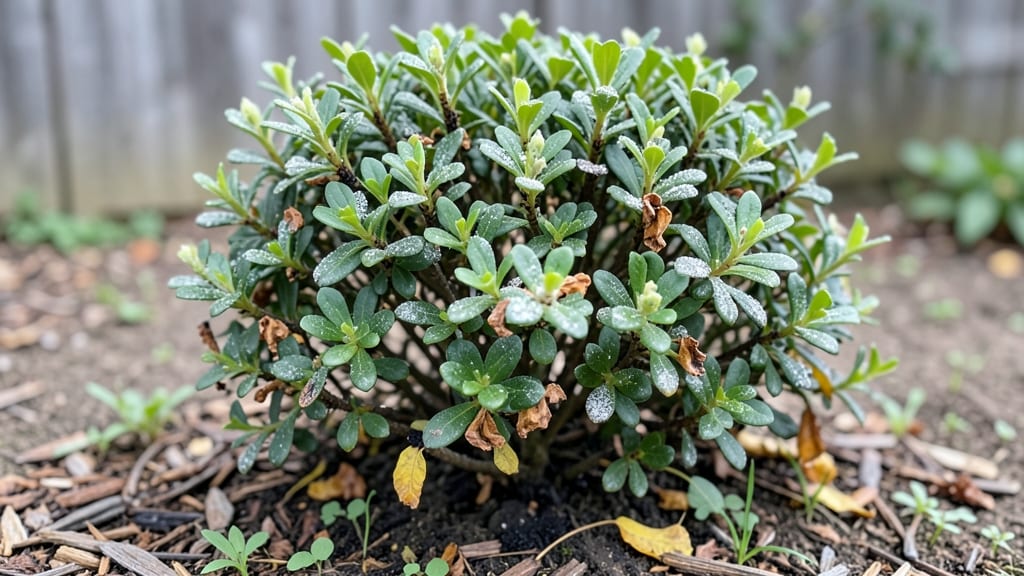
Boxwood plant diseases can turn your neatly trimmed hedges into a sad, brown mess if you don’t catch them early. ✨ I’ve seen healthy boxwoods go from lush and green to struggling in just a few weeks, and the key to saving them is knowing what to look for—and how to act fast.
Most of these fungal threats start with tiny spots or wilting leaves, but if you spot them before they spread, you can often bring your plants back to life with the right treatment.
The worst offenders—like boxwood blight, powdery mildew, and leaf spot—love damp, shady conditions, which is why so many gardeners face them. The good news? Most can be managed with simple fixes: pruning infected branches, applying fungicides at the right time, or even just improving airflow around your plants.
I’ve saved more than a few boxwoods by catching these early, and you can too.
By the end of this guide, you’ll recognize the 12 most common fungal threats by their symptoms—whether it’s brown streaks, white powder, or sudden leaf drop. You’ll also learn foolproof organic and chemical treatments that actually work, plus preventive steps to keep your boxwoods thriving for years.
No more guessing what’s wrong or watching your hedges fade away.
Whether you’re dealing with a single plant or an entire hedge, these strategies will help you restore health and keep your boxwoods looking sharp. Let’s get started—your greenery is waiting!
Root Causes Behind Boxwood Ailments
Boxwoods are prized for their lush foliage and versatility in landscaping, but they’re also susceptible to a range of fungal diseases. Understanding why these issues arise is the first step to prevention and treatment. Here’s a breakdown of the key factors that create the perfect storm for boxwood diseases:
Fungal pathogens thrive in excess moisture, and boxwoods are particularly vulnerable when their roots sit in soggy soil for prolonged periods. Here’s why this happens:
- Compacted or Clay Soil: Boxwoods prefer well-draining soil, but heavy clay or compacted ground prevents water from draining efficiently.
When roots suffocate, they weaken, making the plant more susceptible to infections like volutella blight or root rot. - Overwatering: While boxwoods enjoy consistent moisture, they hate standing water.
Overzealous watering (especially without checking soil moisture) creates a damp, fungus-friendly environment. - Poor Air Circulation: Dense planting or thick foliage traps humidity near the plant, slowing evaporation and prolonging moisture on leaves—ideal for boxwood blight (Cylindrocladium buxicola).
Actionable Fix: Amend soil with compost or sand to improve drainage, space plants 3–4 feet apart, and water deeply but infrequently (about 1 inch per week, adjusting for rain).
Fungal diseases don’t appear out of thin air—they spread via spores that lurk in soil, mulch, or even on tools and clothing. Here’s how they take hold:
- Contaminated Tools or Mulch: Pruners, shears, or mulch from infected plants can carry spores to healthy boxwoods.
For example, boxwood leaf gall (Exobasidium vaccinii) spreads when spores land on fresh cuts or wounds. - Spores from Nearby Plants: Diseased host plants (like azaleas or rhododendrons) can release spores that drift to boxwoods, especially in humid climates (like the Southeast U.S., where boxwood blight is rampant). - Dormant Spores in Soil: Some fungi, like Volutella buxi (causing dieback), lie dormant in soil for years, waiting for stressed plants to activate.
Actionable Fix: Sterilize tools with 70% isopropyl alcohol between uses, remove and destroy infected plant debris, and avoid mulching with wood chips from unknown sources.
Boxwoods under stress are like open doors for fungal invaders. Common stressors include:
- Extreme Heat or Cold: Sudden temperature swings (e.g., late spring frosts or summer heatwaves) weaken plants, making them prone to boxwood decline or canker diseases. - Nutrient Deficiencies: Lack of nitrogen, phosphorus, or micronutrients (like iron or manganese) stunts growth, reducing the plant’s ability to fight off pathogens.
Yellowing leaves or stunted growth are red flags. - Physical Damage: Poor pruning (cutting too close to branches) or hail/storm damage creates entry points for fungi like anthracnose (Colletotrichum spp.).
Actionable Fix: Test soil pH (ideal: 6.0–7.0) and amend with balanced fertilizer (e.g., 10-10-10) in early spring. Prune in late winter/early spring to avoid stressing the plant during active growth.
Some boxwood diseases are secondary infections—meaning pests like boxwood leafminers or spider mites damage leaves first, creating wounds that fungi exploit.
For example: - Leafminers: Their larvae burrow into leaves, causing brown trails and weakening the plant’s defenses. - Scale Insects: These sap-suckers stress the plant, making it vulnerable to sooty mold (a fungal growth that thrives on honeydew).
Actionable Fix: Monitor for pests regularly, and treat infestations early with neem oil or horticultural oil sprays.
Some areas are hotspots for boxwood diseases due to:
- Humid Climates: Regions like the Mid-Atlantic and Southeast U.S. have high humidity and frequent rain, perfect for boxwood blight.
- Urban Pollution: Air pollution or soil contaminants (e.g., heavy metals) can weaken boxwoods, making them more susceptible to diseases like boxwood gall.
Actionable Fix: If you live in a high-risk zone, choose resistant cultivars (e.g., ‘Green Velvet’ or ‘Winter Gem’) and improve airflow with strategic pruning.
Many boxwood diseases start subtly—small brown spots, wilting, or leaf drop—but homeowners often dismiss them as environmental stress. By the time symptoms escalate (e.g., blackened stems or defoliation), the fungus may have spread systemically.
Actionable Fix: Inspect plants weekly during growing season (spring–fall). Isolate and test suspicious plants immediately to prevent spread.
Fixing Boxwood Fungal Foes
Now that you’ve identified the culprit behind your boxwood’s woes, it’s time to roll up your sleeves and restore your plants to their lush, healthy glory! 🌿💪 Below are practical, step-by-step solutions tailored to the most common fungal threats, along with prevention tips to keep future outbreaks at bay.
Cause: Volutella buxi thrives in damp, shaded conditions, causing brown, circular spots on leaves and stems.
How to Fix It:
- 🍂 Prune Infected Parts Remove and dispose of (not compost!) all diseased leaves, stems, and branches. Sterilize pruners with 70% rubbing alcohol or a bleach solution (1:9 bleach:water) to prevent spread.
- 🌡️ Improve Airflow & Light Thin out dense foliage to enhance airflow. If your boxwood is in deep shade, consider gradually acclimating it to more sunlight (avoid sudden exposure to scorching rays).
- 💊 Apply Fungicide Spray with a copper-based fungicide (like Copper Soap) or a neem oil solution (2 tbsp neem oil + 1 tsp mild soap per gallon of water). Reapply every 7–10 days until new growth appears.
💡 Prevention Tip:
- Water early in the day (before evening humidity sets in).
- Avoid overhead irrigation—use drip systems instead.
Cause: Cylindrocladium buxicola causes dark, sunken lesions and dieback, often fatal if untreated.
How to Fix It:
- 🔪 Remove & Destroy Infected Plants Severely affected boxwoods may need complete removal (especially if >50% of the plant is dead). Bag and trash infected plant material—do not compost.
- 👨🍳 Soil Sterilization Dig up 6–12 inches of soil around the plant and replace with sterile potting mix or amended garden soil (add compost + perlite for drainage).
- 🛡️ Fungicide Treatment Use a systemic fungicide like Propiconazole (Banner Maxx) or Azoxystrobin (Quadris). Apply at first sign of stress (even before symptoms appear) and reapply every 2–3 weeks.
💡 Prevention Tip:
- Solarize soil in late summer: Cover bare soil with clear plastic for 4–6 weeks to kill fungal spores.
- Choose resistant cultivars like ‘Green Velvet’ or ‘Winter Gem.’
Cause: White, powdery coating on leaves reduces photosynthesis, weakening the plant.
How to Fix It:
- 🌿 Prune for Sunlight Thin out overgrown branches to increase airflow and reduce humidity around leaves.
- 🚿 Spray with Baking Soda Mix Mix 1 tsp baking soda + 1 tbsp horticultural oil + 1 quart water. Spray directly on leaves (avoid stems) every 7–10 days until mildew disappears.
- 🍄 Preventative Fungicides Apply sulfur-based fungicide (like Liqui-Cop) or potassium bicarbonate (e.g., Daconil) before symptoms appear if your area is prone to mildew.
💡 Prevention Tip:
- Water at the base—never on leaves—to keep foliage dry.
- Space plants 3–4 feet apart to prevent crowding.
Cause: Tiny larvae burrow into leaves, creating blistered, white trails—not a fungus, but often misdiagnosed!
How to Fix It:
- 🕵️♂️ Handpick & Destroy Remove severely infested leaves (wear gloves!) and drop them in soapy water to drown larvae.
- 🐞 Introduce Beneficial Insects Release parasitic wasps (Diglyphus isaea) or lacewings to prey on miners. Order online or from garden centers.
- 🍎 Apply Horticultural Oil Spray with dormant oil in early spring (before larvae emerge) or neem oil every 5–7 days during outbreaks.
💡 Prevention Tip:
- Yellow sticky traps near plants can catch adult moths before they lay eggs.
- Reflective mulch (aluminum foil) can deter egg-laying moths.
Regardless of the disease, these proactive steps strengthen your boxwood’s defenses:
- 🌱 Soil Health: Test soil pH (ideal: 6.0–7.0).
Amend with compost or peat moss if too alkaline. - 💧 Watering Wisdom: Deep water 1–2 times per week (never soggy!) and avoid wetting foliage. - 🛡️ Barrier Protection: Apply mulch (2–3 inches) to prevent soil-borne spores from splashing onto leaves. - 🌿 Resistant Varieties: Opt for ‘Winter Gem’ or ‘Suffolk Green’—they’re bred for disease resistance.
Final Reminder: 🚨 Act fast! Fungal diseases spread quickly, but early intervention often saves your boxwood. Monitor plants weekly, and rotate fungicides to prevent resistance. With these steps, your boxwoods will bounce back—and stay healthy for years to come! 🌟
Frequently asked questions about boxwood plant diseases
What are the first signs of boxwood blight?
Look for dark, sunken lesions on leaves and stems that appear water-soaked at first, then turn brown or black. Leaves may also develop yellow halos around spots, and infected branches often show dieback (sudden wilting). This aggressive fungus spreads rapidly in humid conditions, so act fast if you spot these symptoms.
Can I save a boxwood with powdery mildew?
Yes! Start by pruning heavily infected leaves to improve airflow, then spray with a baking soda solution (1 tsp baking soda + 1 tbsp oil per quart of water). For severe cases, use a sulfur-based fungicide like Liqui-Cop. Prevent recurrence by watering at the base and avoiding overhead sprinklers.
Why does my boxwood keep getting leaf spots even after treatment?
Persistent leaf spots often mean spores remain in the soil or on tools. Sterilize pruners with bleach (1:9 ratio) between uses, and remove all infected debris (don’t compost it!). Also check for underlying stress—poor drainage, overwatering, or nutrient deficiencies can weaken the plant, making it susceptible to reinfection.
Are there boxwood varieties that resist diseases?
Cultivars like ‘Green Velvet’ and ‘Winter Gem’ are bred for disease resistance, especially against boxwood blight. If you’re in a high-risk area (like the Southeast U.S.), these varieties are your best bet for long-term health. Always buy from reputable nurseries to avoid introducing pathogens.
How do I know if my boxwood has a fungal disease vs. pest damage?
Fungal diseases typically show as spots, powdery coatings, or wilting, while pests like leafminers create blistered trails or holes in leaves. Check the underside of leaves—fungi often appear as fuzzy growths, whereas pests leave visible larvae or webbing. If unsure, send a photo to a local extension service for confirmation.