
Pests
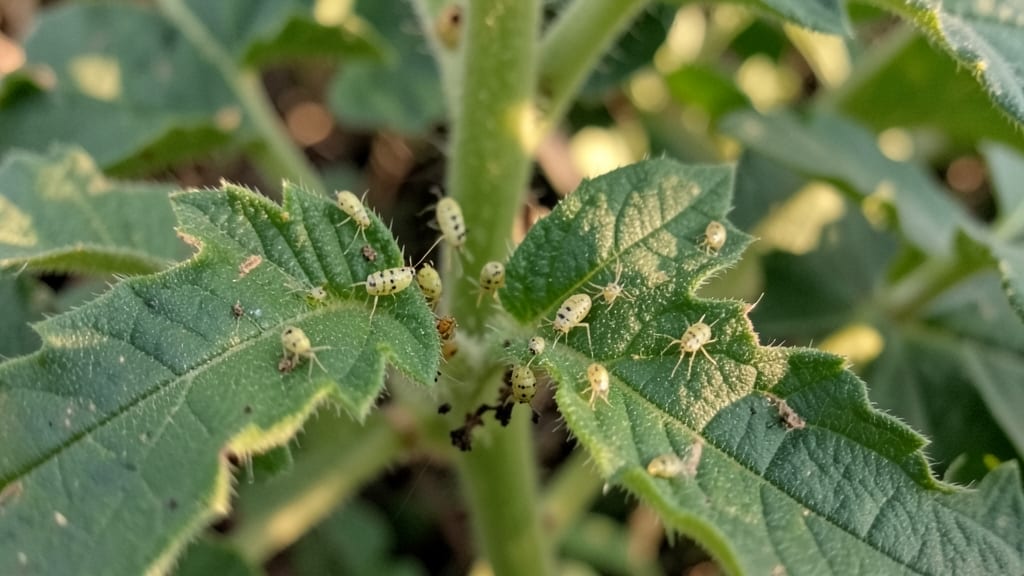
Bugs on tomato plant leaves can turn your summer harvest into a pest battleground faster than you think. I’ve seen aphids strip a plant bare in just a few days, and those tiny invaders leave behind sticky messes that attract even more problems.
The good news? Most common pests have quick, organic fixes that work without harsh chemicals.
From hornworms munching through foliage to spider mites spinning webs on undersides, each bug leaves telltale signs—chewed leaves, webbing, or tiny specks of frass (that’s bug poop). The key is acting fast: a strong spray of water for aphids, handpicking hornworms, or introducing ladybugs for long-term control.
These methods stop infestations before they wreck your plants.
You’ll learn to spot the 10 most destructive pests by their damage patterns, plus foolproof removal techniques that protect your tomatoes without harming pollinators. No more guessing—just clear steps to keep your plants thriving. Let’s get those leaves clean and your harvest safe.
Whether you’re dealing with a sudden outbreak or just want to prevent future attacks, these solutions work for both container gardens and in-ground plots. The secret is consistency—check leaves weekly, especially after rain, and you’ll catch problems before they spiral. Ready to reclaim your tomato plants?
Root Causes of Leaf Invaders
When tiny critters start feasting on your tomato leaves, it’s rarely just bad luck—it’s usually a mix of environmental cues, plant stress, and pest behavior. Understanding why these bugs show up in the first place is half the battle.
Here’s a breakdown of the most common triggers, explained in simple terms with science-backed insights.
Tomato plants under stress become all-you-can-eat buffets for pests. When leaves are weak, their natural defenses (like sticky resins or tougher cell walls) weaken, making them easier targets. Here’s what typically throws them off balance:
- Poor spacing: Crowded plants struggle for sunlight, air circulation, and nutrients. Result? Shady, damp leaves become prime real estate for aphids, spider mites, and whiteflies, which thrive in humid microclimates.
- Nutrient deficiencies: A lack of nitrogen, phosphorus, or potassium weakens leaves. Example: Yellowing leaves (chlorosis) from iron deficiency attract Japanese beetles, which seek out tender, nutrient-rich foliage.
- Water stress: Overwatering or drought stress both create ideal conditions. Why? Overwatered soil breeds fungus gnats and slugs, while drought-stressed plants produce more sugars in their leaves—making them sweeter (and more appealing) to sap-sucking pests like stink bugs.
💡 Pro Tip: Space tomato plants 18–24 inches apart and mulch to retain moisture without soggy roots. A balanced 10-10-10 fertilizer (or compost tea) can boost resilience.
Some tomato varieties and growth stages are basically pest magnets. Bugs don’t just appear randomly—they’re drawn by specific chemical cues and physical traits:
| Pest | Why They’re Drawn | Tomato Traits That Help |
|---|---|---|
| 🐜 Hornworms | Lured by volatile organic compounds (VOCs) released when tomato leaves are damaged (e.g., from other pests or wind). | Prune damaged leaves promptly to reduce scent signals. |
| 🐛 Cutworms | Prefer young, soft stems and are attracted to moist soil (they hide in leaf litter). | Use collars around seedlings and avoid heavy mulch near stems. |
| 🟣 Spider Mites | Thrive on dusty or waxy leaves (they can’t survive on clean, hydrated foliage). | Grow hairy-leaf varieties (like ‘Cherokee Purple’)—mites struggle to cling. |
✨ Science Note: Some tomato varieties (e.g., Solanum habrochaites) produce natural toxins that repel pests. Consider resistant hybrids like ‘Mountain Merit’ if pests are chronic.
Pests don’t just appear—they hitchhike or multiply based on weather and garden habits. Here’s how your local conditions might be inviting them:
- Warm, dry spells: Spider mites and whiteflies explode in populations during droughts because their eggs dry out slower in heat. Solution: Increase humidity with drip irrigation or shade cloth.
- Heavy rain or dew: Fungal gnats and slugs love moisture. Why? Their larvae need damp soil to survive, and slugs seek out soft, rain-softened leaves.
- Nearby weeds or wild plants: Many pests (like colorado potato beetles) use weeds as host plants before migrating to tomatoes. Example: Solanaceae weeds (e.g., nightshade) attract the same pests as tomatoes.
- Compost or manure piles: While great for soil, these can breed fungus gnats and other soil-dwelling pests if not aged properly.
🌡️ Climate Hack: In hot climates, mulch with straw to retain moisture and deter mites. In rainy areas, raise beds to improve drainage.
Even the best gardeners accidentally create pest paradises. Here’s how:
- Over-fertilizing with nitrogen: Lush, soft growth attracts aphids and whiteflies, which love tender new leaves.
- Ignoring garden debris: Old leaves, vines, and plant waste provide hiding spots for eggs and overwintering pests like tomato hornworm cocoons.
- Using broad-spectrum pesticides: These kill beneficial predators (like ladybugs and lacewings) that would otherwise keep pests in check.
- Planting tomatoes too early: Cool soil (<60°F) slows growth, making seedlings more vulnerable to cutworms and flea beetles.
🔥 Prevention Tip: Rotate crops annually to disrupt pest life cycles. Avoid planting tomatoes in the same spot for 3+ years.
Quick Fixes for Leaf Invaders
Got tiny troublemakers munching on your tomato leaves? Don’t panic—these pests are beatable with the right moves! Below, we’ve matched the most common culprits to practical, garden-safe solutions—plus prevention tips to keep your plants pest-free for the season. 🚫🐛
Signs: Sticky residue (honeydew), curled leaves, clusters of tiny green/black bugs.
How to Kick Them Out: 🔥 Blast ‘Em Away – Use a strong stream of water (early morning) to dislodge aphids from leaves. 👨🍳 Soapy Spray – Mix 1 tsp mild dish soap + 1 quart water in a spray bottle. Dab (don’t drown) infested areas every 3–4 days. 🌿 Ladybugs & Lacewings – Release beneficial insects (buy online or at garden centers) to hunt aphids naturally.
Prevention Tips: ✨ Neem Oil Spray – Apply weekly as a deterrent (1 tbsp neem oil + 1 tsp soap + 1 quart water). 🌡️ Reflective Mulch – Use silver plastic mulch to confuse aphids with glare.
Signs: Large green caterpillars with white stripes, skeletonized leaves, frass (poop) everywhere.
How to Trap & Remove: 🔪 Handpick Hunters – Wear gloves and pluck them off (drop in soapy water—don’t crush, or they’ll attract predators). 🍳 Bacillus Thuringiensis (Bt) – Spritz Bt spray (organic bacteria) to kill hornworms without harming other insects. 🌙 Night Patrol – Check plants at dusk when hornworms are most active.
Prevention Tips: 💡 Interplant with Basil – Hornworms hate basil; plant it nearby to repel them. 🎯 Remove Eggs – Scrape off white eggs on leaves (use a fingernail or soft brush).
Signs: Fine webbing on undersides of leaves, speckled yellowing, leaves look "bronzed."
How to Zap Them: 💦 Water Blast – Spider mites hate humidity; spray leaves daily (especially undersides) for 3–5 days. 🌡️ Neem Oil Mix – Spray neem oil + water + soap (1 tbsp oil, 1 tsp soap, 1 quart water) every 5 days. 🕷️ Predatory Mites – Release Phytoseiulus persimilis (sold online) to eat spider mites.
Prevention Tips: 🌿 Diatomaceous Earth (DE) – Lightly dust food-grade DE around plant bases (reapply after rain). 🔥 Avoid Overwatering – Spider mites thrive in dry conditions; keep soil moist.
Signs: Tiny white moth-like bugs flying up when disturbed, sticky honeydew, yellowing leaves.
How to Smother Them: 🕯️ Yellow Sticky Traps – Hang yellow cards coated in petroleum jelly near plants to catch adults. 🍳 Insecticidal Soap – Spray soapy water (2 tbsp soap per gallon) directly on undersides of leaves. 🌿 Kaolin Clay – Dust Surround WP (food-grade clay) to create a barrier they can’t land on.
Prevention Tips: 💡 Copper Tape – Wrap copper tape around pots to electrocute crawling whiteflies. ✨ Beneficial Wasps – Introduce Encarsia formosa (parasitic wasp) to control populations.
Signs: Notched leaves, plants suddenly toppled over, dark brown caterpillars hiding in soil.
How to Trap & Outsmart Them: 🌙 Collar Barrier – Wrap cardboard collars (3–4 inches tall) around stems to block cutworms. 🔪 Flashlight Hunt – Shine a light at dusk to spot and squish hiding cutworms. 🍳 Beauveria Bassiana – Sprinkle organic fungal powder (like BotaniGard) on soil to infect larvae.
Prevention Tips: 🌡️ Mulch Carefully – Avoid thick mulch near stems (cutworms love hiding in it). 💡 Duck or Chicken Patrol – Let poultry free-range in the garden to eat cutworms naturally.
Signs: Chewed leaves with lace-like patterns, beetles with copper wings.
How to Remove & Repel: 🕊️ Handpick & Drown – Drop beetles into soapy water (they’re attracted to rose and tomato plants). 🌿 Neem Oil Spray – Coat leaves every 3–4 days to deter feeding. 🎯 Milky Spore – Apply Bacillus popilliae (organic bacteria) to soil to kill grubs long-term.
Prevention Tips: 💡 Trap Crops – Plant marigolds or grapes nearby to lure beetles away from tomatoes. 🔥 Early Morning Shake – Vigorously shake plants at dawn to dislodge beetles before they feed.
Pro Tip: 🌱 Rotate Solutions – If one method fails, switch to another to avoid pest resistance. Healthy plants = fewer pests! Keep tomatoes well-watered, pruned, and fed with balanced fertilizer to boost natural defenses. 💪
Frequently asked questions about tomato leaf pests
Why do I see tiny white spots on my tomato leaves?
Those are likely aphid eggs or whitefly pupae. Both pests lay eggs on undersides of leaves, and they’ll hatch into hungry invaders within 5-10 days. Scrape them off with a fingernail or use a soapy water spray to prevent the next generation from emerging. Check leaves weekly during warm months for early detection.
Are hornworms really that destructive?
A single hornworm can defoliate a tomato plant in just 24-48 hours. Look for skeletonized leaves (just veins remain) and black droppings everywhere. The good news? They’re easy to remove by hand—just drop them in soapy water. Planting basil nearby repels them naturally, and ladybugs love eating their eggs.
What’s the fastest way to stop spider mites?
Spider mites thrive in dry conditions, so increase humidity immediately by misting leaves daily for 3-5 days. For a quick fix, spray with a mix of 1 tbsp neem oil + 1 tsp soap + 1 quart water. Release predatory mites (like Phytoseiulus persimilis) for long-term control. Avoid overwatering—mites hate damp leaves!
Can I use store-bought pesticides safely?
Many chemical pesticides can harm beneficial insects (like ladybugs and lacewings) that keep pests in check. Opt for organic solutions like Bacillus thuringiensis (Bt) for caterpillars or insecticidal soap for soft-bodied bugs. Always test sprays on a small leaf first to avoid damage.
How do I know if my tomato plant is stressed enough to attract pests?
Watch for yellowing leaves, stunted growth, or wilting—these are red flags. Weak plants produce more sugars in their leaves, making them sweeter targets for pests. Keep soil consistently moist (not soggy), use balanced fertilizer, and prune for airflow. Healthy plants naturally resist pests better!