
Lawn
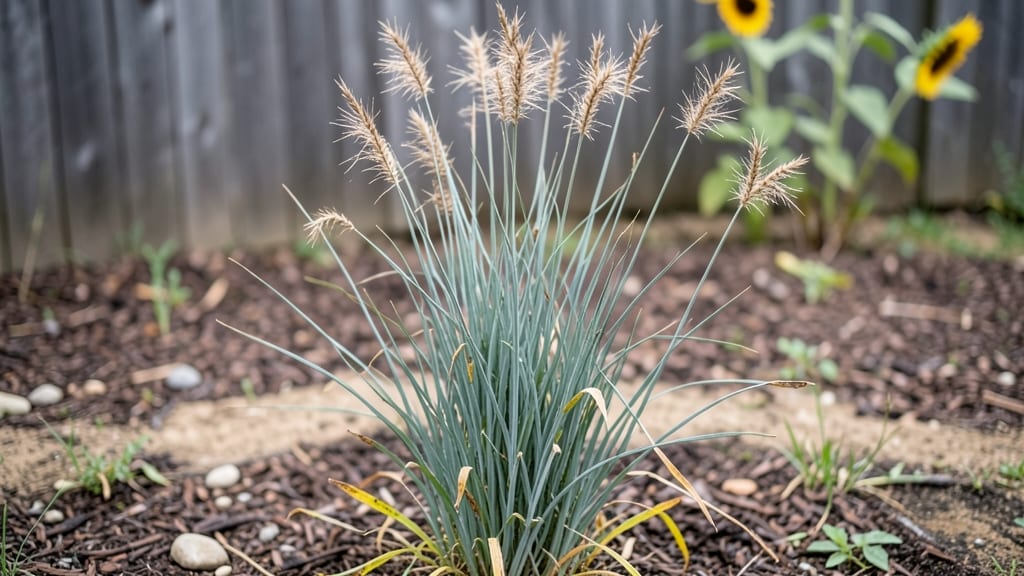
That burning grass plant—the one turning from vibrant green to brittle brown—isn’t just an eyesore, it’s begging for a diagnosis. 🌱 I’ve seen ornamental grasses go from lush to crispy in a single week, and the culprits are often easier to fix than you’d think.
Whether it’s too much sun, overwatering, or fertilizer gone wrong, the damage isn’t permanent if you act fast.
The first step is identifying what’s causing the burn. Check for crispy leaf edges, yellowing patches, or a dull, straw-like appearance—these are your clues. Overwatering leaves the grass soggy at the base, while underwatering makes the tips curl and brown.
Fertilizer burn? You’ll see brown spots with green edges, like a ring of fire around the plant.
Most cases improve within a few weeks once you adjust care. Trim back the damaged sections with clean shears, then focus on watering deeply but less often, and cutting back on fertilizer. If the roots are still alive, new growth will push through—just give it time and patience.
Prevention is all about balance: monitor soil moisture, avoid heavy-handed fertilizing, and protect from harsh afternoon sun. With these tweaks, your grass plant will bounce back stronger than ever—no fire damage required.
Understanding Grass Fire Causes
Grass fires—whether in wild landscapes or your backyard—don’t happen by accident. They’re triggered by a mix of environmental, human, and sometimes even plant-specific factors. Understanding these causes is the first step to preventing your lawn from becoming a tinderbox.
Below, we break down the real culprits behind burning grass, from natural conditions to careless habits.
When grass dries out under relentless sun, its moisture content drops below 20%, turning it into a fire hazard. Here’s why this happens:
- Intense UV rays accelerate moisture evaporation, especially in hot, dry climates (think deserts or summer afternoons).
- Thin or dead grass lacks the protective layer of living tissue to retain water, making it crisp and brittle.
- Dormant grass (common in winter or drought) loses its green color as chlorophyll breaks down, leaving dry, straw-like blades that ignite easily.
Actionable fix: Water deeply in the early morning (before 10 AM) to reduce evaporation, and mow high (3–4 inches) to shade soil and retain moisture.
Grass needs humidity levels above 30% to stay resilient. When air turns bone-dry:
- Wind speeds over 10 mph strip moisture from grass blades, creating a domino effect—one spark can jump to adjacent patches.
- Prolonged droughts (less than 1 inch of rain per week) force grass into survival mode, shedding water and becoming flammable.
- Urban heat islands (cities with concrete and pavement) trap heat, raising temperatures 5–10°F higher than rural areas, drying grass faster.
Actionable fix: Use a soil moisture sensor to track hydration levels, and consider drought-resistant grasses like buffalo grass or tall fescue if you live in arid zones.
Most grass fires start because of human error. Common triggers include:
- Smoking or campfires near dry grass (even a dropped cigarette can smolder for hours).
- Equipment sparks from lawnmowers, weed whackers, or chainsaws (metal-on-rock collisions create 1,500°F sparks).
- Fireworks or BBQ grills placed too close to flammable vegetation.
- Intentional burning (e.g., "controlled burns" gone wrong) without proper permits or safety measures.
Actionable fix: Clear a 10-foot perimeter of dry grass around fire pits, and water your lawn before mowing. Store gasoline and equipment in a fireproof shed.
Grass under siege from pests or pathogens loses its structural integrity, making it highly susceptible to fire:
- Grasshoppers, chinch bugs, or sod webworms chew blades, creating brown patches that dry out faster.
- Fungal infections (like brown patch or dollar spot) weaken roots, reducing the plant’s ability to absorb water.
- Over-fertilization with nitrogen can burn grass itself, turning it yellow and brittle before it even dries.
Actionable fix: Apply neem oil or insecticidal soap for pests, and test soil pH before fertilizing (aim for 6.0–7.0).
Modern lawns aren’t just at risk from nature—they’re vulnerable to man-made sparks:
- Faulty wiring in outdoor lights or irrigation systems can arc and ignite dry grass.
- Power lines sagging over tall grass (common in rural areas) create static discharge risks.
- Metal tools or jewelry striking rocks or pavement while mowing can generate instant sparks.
Actionable fix: Inspect electrical connections before summer, and ground metal equipment to prevent static buildup.
Some seasons are inherently riskier for grass fires:
- Late summer/early fall (when grass is dry but winds pick up).
- Santa Ana winds (California) or Chinook winds (Rocky Mountains) that supercharge fires with gusts over 40 mph.
- Lightning strikes (common in thunderstorms) can hit dry patches, starting wildfires in minutes.
Actionable fix: Sign up for local fire weather alerts, and water high-risk areas during red-flag warnings.
Pro Tip: 💡 The "Match Test" – To check fire risk, grab a small patch of grass and try to light it with a match. If it burns easily, your lawn is in danger. If it resists, you’re in the clear (for now)!
Quick Fixes for Damaged Grass
When your lawn starts looking like it’s been through a wildfire, don’t panic—there are practical ways to revive it and stop further damage. Below are targeted solutions based on the most common causes of burning grass, along with prevention tips to keep your lawn lush and green.
If your grass is turning brown or yellow due to soggy soil, the first step is to improve drainage and adjust your watering habits.
How to Fix It:
- 🔹 Test Soil Moisture – Stick your finger 2-3 inches into the soil. If it’s damp, reduce watering immediately.
- 🔹 Aerate Compacted Soil – Rent a core aerator or use a garden fork to poke holes in the lawn. This helps water and air penetrate the roots.
- 🔹 Adjust Watering Schedule – Water deeply 2-3 times per week (early morning is best) instead of daily light sprinkles. Aim for 1-1.5 inches per week total.
- 🔹 Improve Soil Drainage – Mix in sand or compost to loosen heavy clay soil. For severe cases, consider installing a French drain or grading the yard for better slope.
💡 Prevention Tip: Install soil moisture sensors or a smart sprinkler system to avoid overwatering. If your lawn floods frequently, consider planting drought-tolerant grasses like Bermuda or Zoysia in problem areas.
When summer hits hard, grass can go dormant or crisp up like toast. The key is reviving it without shocking the roots.
How to Fix It:
- 🔹 Water Deeply & Infrequently – Give your lawn long, slow waterings (1-2 hours per session) to encourage deep root growth.
- 🔹 Mow Higher in Summer – Set your mower to 3-4 inches to shade the soil and retain moisture.
- 🔹 Apply Mulch or Straw – Spread a thin layer of straw or wood chips over bare spots to retain moisture and protect roots.
- 🔹 Avoid Fertilizing During Heatwaves – Fertilizer burns can worsen stress. Wait until temperatures drop below 85°F (29°C) before applying.
💡 Prevention Tip: Install a rain barrel system to collect water for dry spells. If your grass is struggling, consider overseeding with a shade-tolerant mix in late summer.
Compacted soil from heavy use can suffocate grass roots, leading to brown patches.
How to Fix It:
- 🔹 Reduce Foot Traffic – Designate a play area or path for kids and pets to avoid trampling the lawn.
- 🔹 Reseed or Sod Damaged Areas – Fill in bare spots with new grass seed or sod for quick recovery.
- 🔹 Use a Lawn Roller (Lightly!) – A light pass with a roller can help settle soil, but don’t overdo it—too much compaction makes things worse.
- 🔹 Apply a Thin Layer of Compost – Spread ¼-inch of compost over damaged areas to improve soil structure.
💡 Prevention Tip: Train pets to use a designated potty area and avoid high-traffic zones. If your lawn gets heavy use, consider artificial turf in high-impact areas.
Grubs, chinch bugs, or fungal diseases can turn grass brown and crispy overnight.
How to Fix It:
- 🔹 Identify the Problem – Dig up a small section of grass. If you see white grubs, it’s a pest issue. If the grass pulls up easily, it could be disease or drought.
- 🔹 Treat Grubs Naturally – Apply beneficial nematodes or milky spore bacteria to control grubs without harsh chemicals.
- 🔹 Fungicide for Disease – Use a broad-spectrum fungicide (like propiconazole) if you spot mold, rust, or brown patch.
- 🔹 Improve Airflow – Thin out dense grass and prune nearby trees/shrubs to reduce humidity and fungal growth.
💡 Prevention Tip: Aerate and overseed in early fall to strengthen grass resilience. For pests, encourage natural predators like birds and toads by keeping a healthy lawn ecosystem.
Overapplying lawn treatments can scorch grass faster than a wildfire.
How to Fix It:
- 🔹 Flush the Soil – Water the affected area heavily (1-2 inches) to dilute chemicals.
- 🔹 Avoid Reapplying Treatments – Wait 4-6 weeks before fertilizing again.
- 🔹 Use a Soil Test – Before reapplying anything, test your soil to avoid over-fertilizing.
- 🔹 Switch to Organic Options – Try slow-release organic fertilizers or compost tea for safer feeding.
💡 Prevention Tip: Always follow label instructions and water before applying to prevent burn. Consider liquid fertilizers for more even distribution.
No matter the cause, these steps help revive struggling grass:
- 🔹 Overseed in Early Fall – Cool weather helps new grass establish before winter.
- 🔹 Keep Leaves Off the Lawn – Mulch them instead to return nutrients to the soil.
- 🔹 Mow Regularly (But Not Too Short) – Never remove more than ⅓ of the blade at once.
- 🔹 Monitor & Adjust – Check soil moisture, sunlight, and traffic patterns to catch issues early.
🎯 Final Pro Tip: If large sections of your lawn are dead, consider patching with sod instead of reseeding for faster results. For persistent problems, a soil test from your local extension office can provide a customized fix!
Frequently asked questions
Why are the tips of my ornamental grass turning brown and crispy?
This is usually a sign of underwatering or high salt buildup from tap water. Ornamental grasses like Liriope need 1-1.5 inches of water weekly, but their roots can’t access moisture if the soil is too dry. Check if your water has high mineral content—if so, use rainwater or distilled water instead.
Can I save my grass plant if the entire plant looks burned?
It depends! If the roots are still white and firm, prune back the dead foliage and adjust care. Water deeply 2-3 times per week and avoid fertilizer until new growth appears. If the roots are mushy or black, the plant is likely dead and should be replaced.
How do I tell if my grass plant is getting too much sun?
Look for yellowing between leaf veins or bleached, straw-like patches—these are classic signs of sun scorch. Move your plant to partial shade (4-6 hours of morning sun) and mulch around the base to retain moisture. If it’s a lawn grass, consider shade-tolerant varieties like fine fescue.
Will cutting back burned grass help it recover faster?
Yes! Trim back only the dead or brown sections with clean shears, leaving healthy green growth intact. Avoid cutting more than ⅓ of the plant at once. This encourages new shoots while reducing stress. For severe cases, you may need to cut it back to ground level and let it regrow.
How often should I fertilize grass plants to avoid burning them?
For ornamental grasses, fertilize once in early spring with a low-nitrogen formula (5-10-5). Lawn grasses need 2-4 applications per year, but always water before and after applying fertilizer to prevent salt buildup. Over-fertilizing is the #1 cause of chemical burns!