
Companion Plants
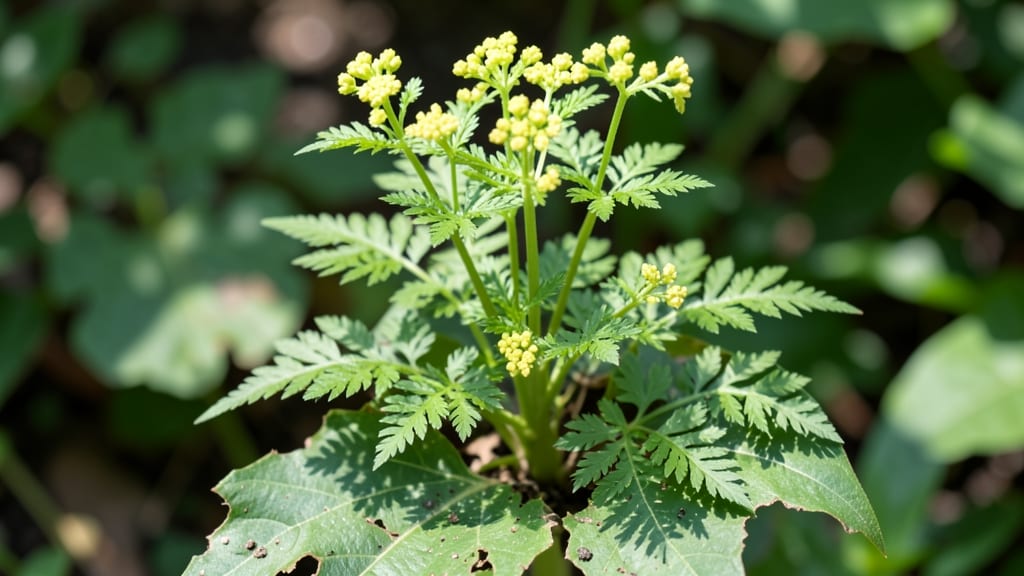
The best earwig repellent plants turn your garden into a fortress without chemicals. 🌿 I’ve battled these armored pests for years, and these fragrant workhorses—lavender, mint, and tansy—have kept them out of my beds consistently. They don’t just mask the scent; they actively disrupt earwigs’ ability to find your plants.
Lavender thrives in full sun and dry soil, mint spreads aggressively (so contain it!), and tansy tolerates poor conditions while packing a strong earwig-deterring punch. Plant them near vulnerable crops like tomatoes, lettuce, or strawberries—the pests avoid the area entirely.
The key is placement: border beds or interplant them, never letting earwigs get close to what you’re growing.
You’ll notice fewer rolled leaves and fewer pests hiding under mulch within weeks. The plants themselves stay healthy, their fragrance repelling earwigs while attracting pollinators. Best of all, they’re perennial in most climates, so once established, they keep working year after year.
For extra protection, add a shallow barrier like copper tape around raised beds—earwigs hate the metal. Combine these plants with regular soil checks (they hide in damp areas), and you’ll create a system that outsmarts pests naturally. No more midnight raids on your harvests.
📚 In This Guide
- What you need
- Instructions
- Tips and common mistakes
- Wrapping up and next steps
What you need
- ● Earwig-repellent plants: Choose from these top picks (pick 3–5 for best results): Mint (Mentha spp.) – 3–5 mature plants
- ● Lavender (Lavandula spp.) – 2–4 plants (dwarf varieties work well)
- ● Garlic (Allium sativum) – 5–10 cloves or 2–3 bulbs
- ● Chives (Allium schoenoprasum) – 1–2 bunches
- ● Rosemary (Rosmarinus officinalis) – 2–3 plants
- ● Tansy (Tanacetum vulgare) – 1–2 plants (great for borders)
- ● Pyrethrum daisies (Tanacetum cinerariifolium) – 1–2 plants (for strong scent)
- ● Well-draining soil: 1–2 bags of organic compost or potting mix (5–10 gallons total)
- ● Garden tools: Trowel or hand shovel
- ○ Garden gloves (optional but recommended)
- ● Watering can or hose: With a gentle spray nozzle
- ● Mulch: Straw or wood chips (2–3 inches) to retain moisture and enhance scent
- ● Plant markers: Small stakes or labels to track your repellent plants
- ● Pruning shears: For trimming overgrown foliage (earwigs love hiding in dense plants!)
- ● Diatomaceous earth (food-grade): Light dusting around plant bases (use sparingly, as a backup)
- ● Companion plant guides: A reference book or app (like PlantSnap) to identify earwig-friendly pairings
Step-by-Step guide to creating an earwig-repelling plant barrier
Here’s how to strategically plant nature’s pest deterrents for a thriving garden.
🌱 Step 1: Select the Right Earwig-Repelling Plants
Choose from four proven varieties: lavender (strong scent deters earwigs), mints (crush and release oils), tansy (bitter foliage repels insects), and garlic chives (allium family compounds disrupt earwigs’ feeding patterns). I plant lavender along borders because its dense growth creates a physical barrier while emitting a scent earwigs avoid.
For maximum impact, mix textures—tall lavender and tansy in back rows, low-growing mints and chives near pathways. This layered approach blocks entry points while confusing earwigs with varied fragrances. Avoid planting these near delicate flowers; their strong scents can inhibit pollinators.
🪴 Step 2: Plant Strategically Around Problem Areas
Position plants in a 12-inch band around garden beds, especially near mulch piles or damp soil where earwigs thrive. I place garlic chives closest to the garden edge—their sharp aroma deters earwigs before they reach crops. Lavender goes 18-24 inches apart in back rows to create a dense hedge.
For containers, use 6-inch pots with mints or tansy near patios or entry points. Earwigs rarely venture onto these elevated surfaces. Water newly planted barriers deeply twice weekly for the first month to establish strong roots—earwigs target weak or stressed plants first.
☀️ Step 3: Maintain Plant Health to Strengthen Repellent Effects
Earwigs lose interest in healthy plants, so prioritize full sun to partial shade (lavender needs 6+ hours, mints tolerate shade). I fertilize lightly with compost tea every 4 weeks—too much nitrogen reduces scent intensity, making plants less effective. Prune lavender after flowering to encourage bushier growth that blocks entry.
Watch for powdery mildew on tansy—this fungus weakens its repellent properties. At the first sign of white residue, spray with neem oil (use 1 tablespoon per gallon of water). Healthy plants emit stronger natural compounds that keep earwigs away for 2-3 seasons without replanting.
✂️ Step 4: Enhance Repellent Power with Companion Techniques
Crush 2-3 mint leaves daily near high-risk areas to release volatile oils. I place a few stems in a jar of water by garden gates—earwigs avoid the concentrated scent. For tansy, harvest yellow flowers in late summer and scatter them around beds; the dried blooms continue repelling pests through winter.
Combine with diatomaceous earth (food-grade) in a 1-inch band around plant bases. This abrasive powder damages earwigs’ exoskeletons while letting beneficial insects pass. Reapply after rain—earwigs seek shelter in damp soil, so keeping barriers dry is critical.
🌿 Step 5: Monitor and Adjust for Long-Term Success
Check plant borders weekly for earwig activity—look for silver trails (their slime) or chewed leaves. If you spot them, increase mint crushing frequency or add chamomile (another earwig deterrent) to the mix. I’ve found that rotating plants every 2 years prevents scent fatigue in the soil.
By late summer, healthy barriers should show no earwig damage to adjacent plants. If issues persist, expand the repellent band by 6 inches outward. The key is consistency—earwigs adapt quickly, so maintain both plant health and companion techniques year-round.
Tips & tricks for effective earwig-repelling plant barriers
These strategic insights will help you maximize your plant barrier's effectiveness against earwigs while maintaining a thriving garden ecosystem.
Layering Strategy: In Step 1, when selecting plants, consider creating a three-tiered defense system: Place garlic chives closest to vulnerable plants (their sharp scent acts as an immediate deterrent), then add lavender and tansy in the middle (physical barrier + strong aroma), and finish with mints near pathways (easy access for crushing leaves). This layered approach confuses earwigs with varying scent intensities and physical obstacles.
Plant Health Optimization: The 4-week compost tea fertilization mentioned in Step 3 is crucial, but timing matters. Apply it in early spring when plants are actively growing—not during flowering when they're already stressed. I've found that adding a handful of wood ash (from untreated wood) to the compost tea boosts potassium levels, which strengthens plant cell walls that earwigs try to penetrate.
Companion Technique Timing: When implementing the daily mint leaf crushing from Step 4, focus on early morning hours. Earwigs are most active at dawn, so releasing those volatile oils when they're actively foraging creates an immediate repellent effect. For tansy flowers, harvest them just as they begin to open—they release the most repellent compounds at this stage.
Long-Term Maintenance: The 2-year rotation schedule mentioned in Step 5 is brilliant, but here's the key: Keep detailed notes about where each plant type was located. Earwigs develop preferences, so rotating them prevents scent adaptation. I mark my garden map with colored dots for each plant type—this visual system helps me remember which areas need which plants each season.
Pro Tips for Earwig Repellent Plants
- These strategic insights will help you maximize your plant barrier's effectiveness against earwigs while maintaining a thriving garden ecosystem.
- This layered approach confuses earwigs with varying scent intensities and physical obstacles.
- Plant Health Optimization: The 4-week compost tea fertilization mentioned in Step 3 is crucial, but timing matters.
Frequently asked questions
Got questions about using earwig repellent plants?
Here are some common ones—and their answers—to help you create a pest-free garden naturally.
What are the most effective earwig repellent plants?
Plants like lavender, marigolds, mint, geraniums, and chives are top choices. These emit strong scents or contain compounds earwigs dislike. Pair them strategically around your garden beds or near entry points for best results.
How long does it take for these plants to repel earwigs?
Some plants, like lavender, start working within days of planting, while others (e.g., mint) may take a few weeks to establish a strong scent. Consistency is key—earwigs need time to detect and avoid the repellent. Combine plants with mulching for faster results.
Can I use these plants indoors to keep earwigs away?
Yes! Potted mint, geraniums, or lavender near doorways or windows can deter earwigs from entering your home. Just ensure they’re placed where pests can’t hide in soil (e.g., elevated pots). Bonus: They’ll add fresh fragrance to your space!
What if earwigs still appear after planting repellents?
Try rotating plants seasonally or adding diatomaceous earth (food-grade) around borders. Earwigs may also seek shelter in damp areas—reduce mulch thickness or improve drainage. For severe infestations, handpick pests at night (they’re slow-moving!) or use sticky traps.
Are there any plants I should avoid near earwig repellents?
Earwigs are attracted to decaying organic matter, so avoid planting hostas, ferns, or roses too close to repellent plants. These can create hiding spots or attract earwigs despite nearby deterrents. Keep your garden tidy and prioritize airy, well-drained spaces.
Wrapping up and next steps
Natural pest control doesn’t have to be complicated—your garden can thrive with the right earwig repellent plants! 🌿 From fragrant herbs like mint and lavender to bold blooms like marigolds and geraniums, these plants create a protective barrier without harsh chemicals.
By strategically placing them near vulnerable areas, you’ll keep earwigs at bay while adding beauty and function to your space.
Ready to take action? Start small—pick one or two plants from our list and plant them near your garden beds or entry points. Your garden (and your sanity) will thank you! Happy planting! 🌱