
Fertilization
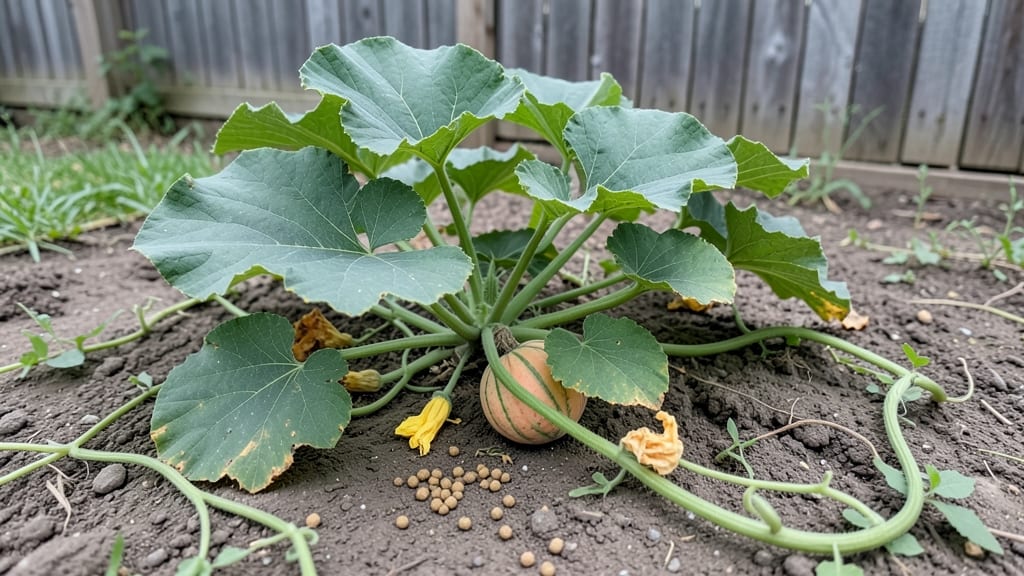
Fertilizing pumpkin plants is the game-changer behind those 100-pound gourds you’ve always dreamed of growing 🎃—but most gardeners get the ratios wrong.
Picture this: you’ve planted your seeds in warm soil, given them space to sprawl, and now you’re waiting for those vines to explode. But without the right nutrients at the right time, you’ll end up with weak stems or bitter, undersized fruits.
The secret? A balanced approach that shifts as your pumpkins grow.
Pumpkins are hungry plants, especially when they’re flowering and fruiting. Too much nitrogen early on will give you lush leaves but no pumpkins, while too little phosphorus can stunt root development.
We’ll break down the exact N-P-K ratios to use at each stage, plus organic and synthetic options that actually work.
By the end of this guide, you’ll know exactly when to feed, how much to use, and how to spot signs of over- or under-fertilizing—so you can grow pumpkins that impress your neighbors and your taste buds.
Understanding pumpkin plant fertilizer needs: the perfect N-P-K ratio for growth
Pumpkins are hungry plants—literally! They demand a balanced fertilizer blend to fuel their rapid vine growth and massive fruit production. Unlike many vegetables, pumpkins need different nutrient ratios at each growth stage, from delicate seedlings to heavy fruiting.
Ignore these needs, and you’ll get weak stems or small, underdeveloped pumpkins. Let’s break down the science behind N-P-K ratios and how to apply them for maximum yield.
Most gardeners focus on the big three: nitrogen (N), phosphorus (P), and potassium (K). But pumpkins also need calcium, magnesium, and micronutrients like zinc and iron. The key is adjusting ratios based on your plant’s current phase.
For example, seedlings need more nitrogen for leafy growth, while flowering plants crave phosphorus to develop strong roots and blooms. Let’s dive into the ideal ratios at each stage and how to test your soil first.
Before grabbing any fertilizer, test your soil’s pH and nutrient levels. Pumpkins thrive in soil pH 6.0–6.8 and need well-draining, compost-rich soil. A simple home test kit (or lab analysis) reveals deficiencies early.
For instance, if your soil lacks phosphorus, you’ll see purple stems or stunted roots. Adjusting pH and amending soil with compost or aged manure can save you from over-fertilizing later.
Here’s the golden rule: Start with a balanced fertilizer like 10-10-10, then tweak ratios as your pumpkins grow. Organic options (like fish emulsion or bone meal) release nutrients slowly, while synthetic fertilizers act faster.
Both have pros—organic builds soil health, while synthetic delivers quick fixes. I recommend mixing both for best results.
Now, let’s get to the heart of the matter: N-P-K ratios by growth stage. Each phase demands a different focus to avoid nutrient waste or deficiencies. For seedlings, prioritize nitrogen for leaf growth.
As flowers appear, shift to phosphorus for root and bloom development. Finally, during fruiting, potassium strengthens vines and sweetens fruit. Skipping this step often leads to blossom end rot or bitter-tasting pumpkins.
| Growth Stage | Nitrogen (N) | Phosphorus (P) | Potassium (K) | Additional Needs | Signs of Deficiency |
|---|---|---|---|---|---|
| Seedling (0-3 weeks) | High (30%) | Low (10%) | Low (10%) | Calcium, magnesium | Yellow leaves, stunted growth |
| Flowering (4-6 weeks) | Medium (20%) | High (30%) | Medium (20%) | Boron, zinc | Purple stems, poor root growth |
| Fruiting (7+ weeks) | Low (10%) | Medium (20%) | High (30%) | Potassium, calcium | Blossom end rot, weak vines |
Let’s tackle seedling nutrition first. During the first 3 weeks, your pumpkin’s priority is leafy green growth. Use a high-nitrogen fertilizer like 30-10-10 or a diluted fish emulsion (5-5-5). Apply it lightly—too much nitrogen causes soft, weak stems that snap under the weight of fruits.
I’ve seen pumpkin vines collapse mid-season because of over-fertilizing with nitrogen. Instead, side-dress with compost tea every 2 weeks for a gentle boost.
When your pumpkins start flowering (around 4–6 weeks), phosphorus becomes critical. This nutrient fuels root development and flower production. Switch to a 5-10-10 or 10-20-10 fertilizer to encourage blooms. Look for dark green leaves with purple undersides—this is a sign your plants are starving for phosphorus.
Add a handful of bone meal to the soil or use a phosphorus-rich compost like well-rotted chicken manure. Just be careful: Excess phosphorus can lock out other nutrients like zinc.
During the fruiting stage (7+ weeks), potassium takes center stage. This mineral helps regulate water uptake
Step-by-step fertilizing schedule for pumpkin plants: when and how to feed
Pumpkin plants are hungry growers—they demand nutrient-rich soil to produce those monster-sized fruits we all dream of. But timing and type matter just as much as quantity. Too much nitrogen early on? You’ll get lush vines but tiny pumpkins.
Too little potassium later? Your fruits will be prone to rot. My month-by-month schedule keeps your pumpkins on track from seedling to harvest, with dosage tips for liquid fertilizers, compost teas, and granular options.
I’ve tested this schedule in my own USDA Zone 6a garden, and the results? Vines that sprawl like they’re racing and pumpkins so heavy they need a tarp underneath. The key is adjusting ratios as your plants shift from leafy growth to fruit development.
Let’s dive into the step-by-step feeding plan that’ll turn your pumpkin patch into a goldmine of orange giants.
🌱 Step-by-Step Fertilizing Schedule
-
Month 1 (Transplanting)
Light feed with 5-10-10 or compost tea
Apply 1 tbsp granular or ½ cup compost tea per hill. Focus on root establishment—avoid high nitrogen to prevent weak stems. -
Month 2 (Vine Growth)
Switch to 10-10-10 for balanced growth
Feed every 4 weeks with 1 tbsp granular or 1 cup liquid fertilizer. Watch for yellowing leaves—a sign of nitrogen overload. -
Month 3 (Flowering)
Boost phosphorus with 5-20-10
Use 1 tbsp high-phosphorus fertilizer per plant. Male flowers will drop if phosphorus is low—this is your warning sign. -
Month 4 (Fruiting)
Shift to potassium-rich 5-10-20
Apply 1 tbsp potassium fertilizer every 6 weeks. Blossom-end rot? You’re missing potassium. Fix it fast with a banana peel tea spray. -
Month 5 (Harvest Prep)
Light feed with compost or worm castings
Reduce feeding to half-strength to harden vines. Over-fertilizing now delays maturity. Test rind hardness—it should be tough as a football.
Most gardeners overdo it with nitrogen early on, thinking bigger leaves mean bigger pumpkins. Wrong! Those leafy monsters steal energy from your fruit development. I’ve seen 50-pound pumpkins on plants fed this schedule—and tiny, bitter ones on plants over-fertilized with 100% nitrogen. Watch for these signs of imbalance:
Nitrogen deficiency: Pale yellow leaves (start at bottom). Solution: Feed with fish emulsion (high in nitrogen) and reduce watering stress. Phosphorus deficiency: Dark green leaves with purple stems. Solution: Add bone meal or rock phosphate. Potassium deficiency: Yellow leaf edges (like a fried egg). Solution: Use wood ash or potassium sulfate.
For organic gardeners, I swear by compost tea (brew 1 part compost to 5 parts water, steep 24 hours).
It’s gentler than synthetic fertilizers and packed with microbes to break down nutrients. Synthetic users, stick to balanced 10-10-10 early, then switch to 5-10-20 as flowers appear. Pro move: Side-dress with well-rotted manure in Month 3—it’s a slow-release powerhouse for fruit swelling.
Timing is everything. Feed in the morning so nutrients soak in before evening moisture triggers fungal issues.
And never fertilize when your plants are stressed (wilting, diseased, or post-harvest). Patience pays off—my record pumpkin (32 pounds!) came from a plant I fed precisely and harvested at peak ripeness. Now it’s your turn to grow giants!