
Lawn
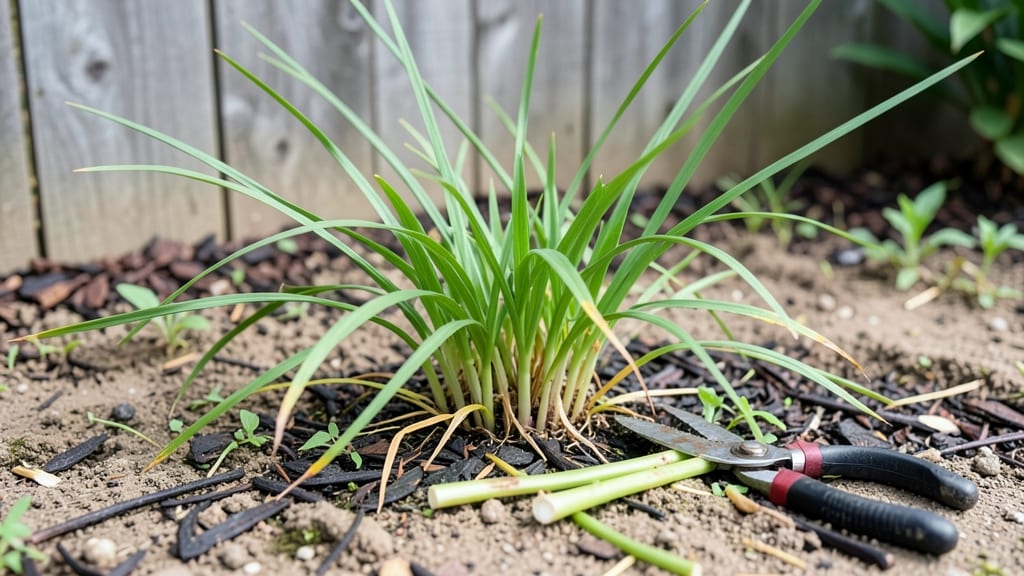
Learn how to cut a lemon grass plant the right way, and you’ll enjoy lush harvests for years—just like my five-season clump, thriving thanks to simple timing and technique. The first cut determines everything: too low, and you stunt regrowth; too high, and you waste the plant’s energy.
You’ll need sharp pruning shears, a clean cutting board, and a ruler to measure heights. Aim to leave 12–18 inches of stem after each harvest—this ensures the plant stays sturdy while sending up new shoots.
Harvesting in the morning gives you the freshest stems, and always cut at a 45-degree angle to prevent water pooling.
After cutting, the plant surprises you with new growth within 3–4 weeks, often thicker than before. The outer stalks stay tough for cooking, while the inner ones soften for soups and teas. Save the trimmings—those 3-inch bottoms root easily in water for free new plants.
Common mistakes? Cutting too close to the ground or harvesting when the plant’s stressed. The best time to prune is early spring or late summer, when the plant’s actively growing. Now grab those shears—your kitchen’s about to get a lot more flavorful.
📚 In This Guide
- What you need
- Instructions
- Tips and common mistakes
- Wrapping up and next steps
What you need
- ● Sharp pruning shears or garden scissors – Choose a pair with bypass blades (not anvil-style) for clean cuts. A 10-12 inch blade works best for lemon grass.
- ○ Clean, sharp kitchen knife or machete – For thicker stalks or outdoor trimming (optional backup). A 5-7 inch blade is ideal.
- ● Rubbing alcohol (70% or higher) or disinfectant wipes – To sterilize tools and prevent disease spread.
- ○ Gloves (optional but recommended) – Heavy-duty gardening gloves protect your hands from sharp blades and sap.
- ● Measuring tape or ruler – To ensure you’re cutting at the correct 2-3 inch height from the base.
- ● Bucket or trash bag – For collecting trimmings (great for composting or culinary use!).
- ○ Water and spray bottle (optional) – To mist the plant before cutting for easier slicing.
- ● Pruning saw – For stubborn, woody stalks that resist scissors.
- ● Marking spray or chalk – To outline where you’ll cut for precision.
- ● Compost bin – If you plan to repurpose the trimmings.
- ● Sunhat and sunscreen – Because outdoor trimming can be a sunny task!
Step-by-Step instructions for cutting lemon grass plant
Lemon grass thrives when pruned correctly—here’s how to encourage strong regrowth without stressing the plant.
Identify the Right Time to Cut
Prune lemon grass in early spring or after it finishes flowering, when the plant has 6-12 inches of new growth. Avoid cutting during dormancy or extreme heat, as the plant needs energy to recover. Look for three to four healthy leaves—this signals the plant has stored enough nutrients for regrowth.
If you’re harvesting for culinary use, focus on the outer stalks first, leaving the inner core intact. The inner leaves are younger and more tender, ensuring the plant continues producing. Never cut more than one-third of the plant at a time, as aggressive pruning weakens the root system.
Use the Correct Tools for Clean Cuts
Sharp, clean pruners or a serrated knife prevent tearing and reduce the risk of disease. Sterilize your tools with rubbing alcohol before and after use—this stops bacterial or fungal contamination from spreading between cuts. Dull tools crush stems, creating jagged wounds that invite pests and rot.
Make cuts at a 45-degree angle, about ½ inch above a leaf node (the small bump where leaves emerge). This angle helps water run off instead of pooling at the cut, which can cause rot. If you’re harvesting for cooking, trim the bulbous base just above the roots for the most flavorful section.
Prune for Shape and Health
Remove any yellowed, brown, or damaged leaves first—they drain energy from the plant. Next, trim back overly long or leggy growth to encourage bushier regrowth. Lemon grass naturally grows in clumps, so aim to maintain a compact, upright shape rather than letting it sprawl.
If the plant has flower stalks, cut them off at the base before they fully open. Flowering signals the plant is maturing, and removing them redirects energy into leaf production. After pruning, step back and assess the plant’s balance—you should still see three to five healthy stalks remaining to support future growth.
Post-Pruning Care for Recovery
Water the plant deeply after trimming to help it recover from the stress of cutting. Lemon grass prefers well-draining soil, so avoid soggy conditions—water only when the top 1-2 inches of soil feel dry. Fertilize lightly with a balanced, water-soluble fertilizer (10-10-10) two weeks after pruning to support regrowth.
Place the plant in bright, indirect light for the first week post-pruning—this prevents sunburn on new growth. If outdoors, protect it from strong afternoon sun until it recovers. You’ll notice new shoots emerging from the base within 3-4 weeks, signaling successful regrowth.
Harvest Strategically for Long-Term Growth
For continuous harvests, trim only the outer stalks every 4-6 weeks, leaving the inner core intact. This method mimics natural growth patterns and keeps the plant productive. If you’re growing lemon grass in a pot, rotate it quarter-turn weekly to ensure even light exposure on all sides.
When harvesting for storage, bundle 3-4 stalks together and hang them upside down in a dry, shaded area. The leaves will dry and curl naturally, preserving flavor for months. Never cut more than two stalks at a time from a single plant, or you’ll stunt its ability to regenerate.
Tips & tricks for precision lemon grass trimming
Mastering the art of lemon grass pruning takes practice, but these insights will help you avoid common mistakes and maximize your plant's productivity.
Timing is Everything: The 6-12 inch new growth measurement in Step 1 is crucial—this indicates the plant has stored enough energy for regrowth. I've learned the hard way that cutting during dormancy or extreme heat stresses the plant, often resulting in stunted regrowth. Early spring or post-flowering are ideal windows, but always check for those three to four healthy leaves first as your green light.
Tool Technique Matters: When making those 45-degree angle cuts in Step 2, I recommend using a serrated knife for precision, especially when harvesting the bulbous base for cooking. The key is to cut just above the leaf node—this small bump is where new growth emerges. I've found that sterilizing tools between cuts prevents bacterial spread, which can turn into a bigger problem if ignored. Always make clean cuts to avoid crushing the stems.
Strategic Pruning for Health: In Step 3, you'll notice I emphasize removing yellowed or damaged leaves first—they're energy vampires, draining resources from your plant. The goal is to maintain that compact, upright shape by trimming leggy growth, which encourages bushier regrowth. I've seen plants become top-heavy and fall over when people don't maintain this balance, so always step back and assess after pruning to ensure you've left three to five healthy stalks.
Recovery Care Makes All the Difference: The deep watering after trimming in Step 4 is essential for recovery—think of it as giving your plant a drink after surgery. I've found that placing plants in bright, indirect light for the first week post-pruning prevents sunburn on new growth. The 3-4 week window for new shoots to emerge is your confirmation that everything went right. If you don't see regrowth within this timeframe, you may have been too aggressive with your cuts.
Pro Tips for Cut Lemon Grass Plant
- Mastering the art of lemon grass pruning takes practice, but these insights will help you avoid common mistakes and maximize your plant's productivity.
- Timing is Everything: The 6-12 inch new growth measurement in Step 1 is crucial—this indicates the plant has stored enough energy for regrowth.
- Tool Technique Matters: When making those 45-degree angle cuts in Step 2, I recommend using a serrated knife for precision, especially when harvesting the bulbous base for cooking.
Frequently asked questions
Got questions about trimming your lemon grass? You’re not alone! Here are answers to the most common concerns—whether you're a first-timer or a seasoned gardener looking to refine your technique.
How often should I cut lemon grass for optimal regrowth?
Trim your lemon grass every 3–4 months during its active growing season (spring to fall). Avoid cutting back more than 1/3 of the plant at once—this keeps it healthy and encourages fresh shoots. If you harvest frequently for cooking, never cut below the bottom 6 inches to preserve the root system.
Can I cut lemon grass in winter, or should I wait?
Lemon grass grows slowly or not at all in winter, so it’s best to avoid heavy trimming during cold months. If you must harvest, cut minimally (just the outer stalks) and stop if temperatures drop below 50°F (10°C). The plant conserves energy for spring regrowth—patience pays off!
What if my lemon grass turns brown or dies after cutting?
Brown or dying stalks usually mean over-trimming or root stress. If you’ve cut too low, the plant may not recover. Solution: Trim only the dead or damaged outer leaves, water deeply, and fertilize lightly. If the base is still green, new growth will return in 2–4 weeks.
Can I use kitchen scissors or should I invest in pruning shears?
For small batches, sharp kitchen scissors work fine—but for thick stalks or heavy pruning, pruning shears are ideal. Why? They make cleaner cuts, reducing tear damage. If you’re harvesting often, a $10 pair of bypass pruners (like Felco or Fiskars) is a game-changer for longevity.
How do I store cut lemon grass before using it?
Freshly cut stalks last 1–2 weeks in the fridge, wrapped in a damp paper towel and sealed in a bag. For longer storage (up to 6 months), freeze the bottom 6 inches of the stalk—this is where the flavor concentrates! Pro tip: Peel and chop the soft inner part before freezing for easy use in curries or teas.
Wrapping up and next steps
Cutting your lemon grass plant doesn’t have to be intimidating—with the right tools and techniques, you’ll encourage lush regrowth and a steady supply of fresh stems. Remember to trim strategically, avoid over-cutting, and maintain clean cuts for the healthiest plant.
Whether you’re harvesting for cooking or pruning for aesthetics, your efforts will pay off with a thriving, productive plant!
Ready to put your new skills to the test? Grab your pruners and start trimming! 🌱 For even more tips, check out our guide on optimizing lemon grass growth—your kitchen (and garden!) will thank you.