
Planting
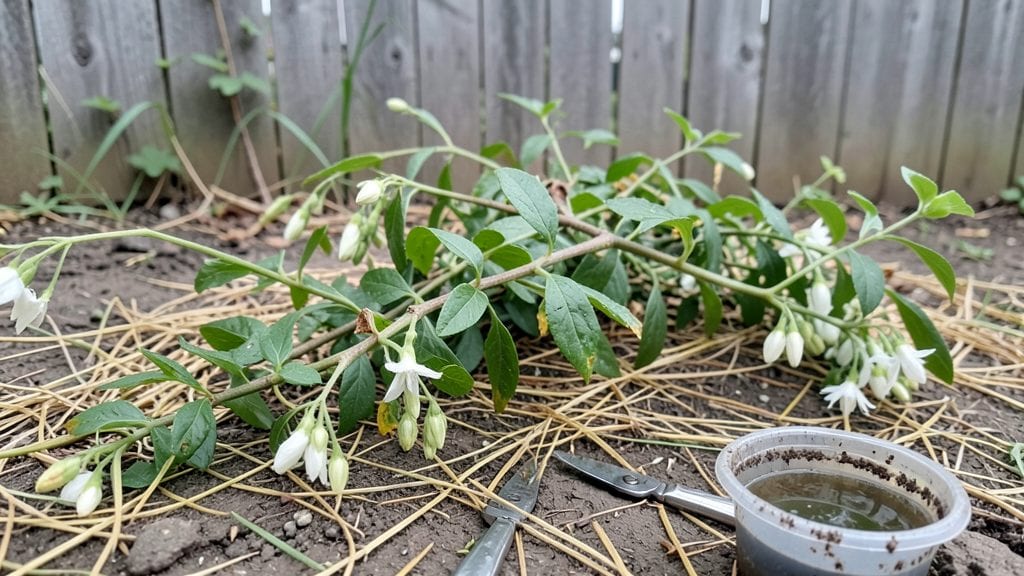
Transform a single jasmine plant cutting into a fragrant vine in just 4-6 weeks—this is the secret I used to double my jasmine collection last spring. ✨ The trick isn’t just snipping stems; it’s timing the cut, prepping the right way, and creating the perfect cozy environment for roots to take hold.
Most people give up after two weeks because they don’t know what to look for, but with the right approach, your cuttings will burst into growth before you know it.
You’ll need three simple tools: sharp pruners (clean cuts matter more than you think), rooting hormone (optional but helpful for beginners), and a clear plastic bag or propagator to lock in humidity.
Spring and early summer are the best times—warm soil and long daylight give your cuttings the energy they need to root fast.
I’ve tried this with both star jasmine (Trachelospermum) and common jasmine (Jasminum), and while star jasmine roots slightly slower, it’s worth the patience for those tiny white flowers that smell like heaven.
Once rooted, your new vines will reward you with glossy leaves and that signature jasmine scent within weeks. The key is keeping the soil moist but not soggy—overwatering is the #1 killer of cuttings, so stick your finger in the soil before watering.
Place your cuttings in bright, indirect light (no harsh midday sun) and watch for new growth in about 3-4 weeks. That first little leaf is your sign to celebrate—you’ve just grown a vine that’ll climb and perfume your garden for years.
This method works for patio planters, trellises, or even hanging baskets, so you can grow jasmine almost anywhere. The only real mistake is rushing—let those roots establish before transplanting, and you’ll avoid the heartbreak of wilting vines. Ready to turn stems into scent? Let’s get those cuttings growing.
📚 In This Guide
- What you need
- Instructions
- Tips and common mistakes
- Wrapping up and next steps
What you need
- ● Healthy jasmine plant: Choose a mature vine with woody stems (at least pencil-thick) and no signs of disease. 💡 Pro tip: Look for stems with leaf nodes (bumps where leaves grow)—these are perfect for cuttings!
- ● Sharp pruning shears or clean knife: Sterilize with rubbing alcohol to prevent infection. (Avoid dull tools—they crush stems!)
- ○ Rooting hormone (optional but recommended): A powder or gel like Clonex or Rootone to boost success rates.
- ● Well-draining potting mix: A blend of 50% perlite or sand and 50% peat moss or coco coir. Avoid garden soil—it’s too dense!
- ● Small pots or propagation trays: 3–4 inches deep with drainage holes. Plastic or biodegradable pots work great!
- ● Plastic bag or clear dome: To create a humidity tent (a ziplock bag with holes punched in it works too!).
- ● Spray bottle with water: For gentle misting—no soaking!
- ● Warmth: Ideal room temperature (70–75°F / 21–24°C). Avoid drafts or direct sunlight at first.
- ● Indirect light: Place cuttings in bright, filtered light (e.g., near an east-facing window). Too much sun = stress!
- ● Humidity: Maintain 70–80% humidity inside the humidity tent. Mist lightly 2–3x daily.
- ○ Bottom heat mat: Speeds up rooting by 5–10°F (optional but game-changing for stubborn cuttings!).
- ● Fertilizer (after rooting): A diluted seaweed fertilizer (like MaxSea) once roots form.
- ● Label markers: To track cutting dates and varieties (trust us, you’ll forget!).
- ● Charcoal granules: Mix a 10% charcoal into your potting mix to prevent fungal issues.
Step-by-Step instructions for propagating jasmine from cuttings
Here’s how to grow new jasmine vines from cuttings—simple, fast, and guaranteed to deliver fragrant blooms.
🌱 Step 1: Select and Prepare Healthy Cuttings
Choose 4-6 inch cuttings from new growth—look for stems that are pencil-thick and free of flowers or buds. The best time is late spring or early summer when the plant is actively growing. Use clean, sharp pruners to make a 45-degree angle cut just below a leaf node (that’s where the roots will form).
Remove all but the top 2-3 leaves—this reduces moisture loss and focuses energy on root development. Strip any leaves from the lower half of the cutting, leaving only a small cluster at the top. Here’s the thing—water sprouts won’t work—you need woody stems for successful propagation.
💧 Step 2: Root in Water or Moist Medium
Place your cuttings in a clear glass of room-temperature water, ensuring the bottom node (where leaves were removed) is submerged. Change the water every 3-4 days to prevent bacterial growth. Roots should appear in 2-4 weeks—you’ll see tiny white tendrils forming at the node. This is your signal it’s time to plant.
For a soil-based method, dip the cut end in rooting hormone (optional but helpful) and plant in well-draining potting mix. Keep the soil evenly moist but not soggy—stick your finger in to check. If it’s dry ½ inch down, it’s time to water. A humidity dome speeds up rooting by trapping moisture.
☀️ Step 3: Provide Warmth and Indirect Light
Place your cuttings in a bright, indirect light spot—no direct sun yet. A south-facing window with sheer curtains works well. Ideal temperatures are 65-75°F—a seedling heat mat under the pot adds warmth if your home runs cooler. You’ll know it’s thriving when new leaves emerge after 4-6 weeks.
If your cuttings start drooping or yellowing, they’re either overwatered or not getting enough light. Adjust immediately—jasmine is sensitive to stress. Once roots are 1-2 inches long, they’re ready for their permanent home in the garden or a larger pot.
🪴 Step 4: Transplant and Encourage Growth
Gently remove the cutting from water or soil and plant it in a pot with well-draining mix. Bury the rooted section just below the soil line—don’t cover the leaves. Water lightly to settle the soil, then hold off on watering for 3 days to let roots adjust. This prevents rot and gives them time to establish.
After transplanting, keep the new plant in bright, indirect light for 1-2 weeks before gradually introducing morning sun. You’ll see new growth in 3-4 weeks—that’s your reward for patience. Feed with a balanced fertilizer (10-10-10) every 4-6 weeks to encourage lush, fragrant vines.
Tips & tricks for perfect jasmine plant cuttings
Here's what I learned after propagating dozens of jasmine cuttings—these tricks make all the difference between success and disappointment.
Selection is Everything: In Step 1, don't settle for just any stem—look for pencil-thick cuttings with a slight greenish hue. Avoid stems that feel woody or have dried-out ends. I've found that cuttings from the current season's growth (not last year's) root most reliably. The 4-6 inch length is perfect because it gives you enough stem for root development while keeping the cutting manageable.
The Angle Matters: That 45-degree cut in Step 1 isn't just decoration—it increases the surface area for root formation. Use clean pruners and make the cut just below a leaf node (you'll see little bumps where leaves used to be). If you're struggling with the angle, practice on a spare stem first. The sharper the cut, the less stress on the plant.
Water Wisdom: When rooting in water (Step 2), change it every 3-4 days to prevent bacterial growth, but don't overdo it—jasmine roots are sensitive to sudden changes. I've noticed that using room-temperature water helps prevent shock to the cutting. For the soil method, the finger test is your best friend—stick your finger in the soil up to your first knuckle. If it feels dry, it's time to water.
Light and Temperature Balance: The 65-75°F range in Step 3 is ideal, but don't worry if your home runs cooler. A seedling heat mat can help, but even without one, jasmine is forgiving. For light, I've found that placing cuttings on a bookshelf near a south-facing window gives perfect indirect light. Avoid direct sun—it can scorch the delicate new growth. Once you see those first white tendrils (roots!) after 2-4 weeks, you're on the right track.
Pro Tips for Jasmine Plant Cutting
- Here's what I learned after propagating dozens of jasmine cuttings—these tricks make all the difference between success and disappointment.
- Selection is Everything: In Step 1, don't settle for just any stem—look for pencil-thick cuttings with a slight greenish hue.
- The Angle Matters: That 45-degree cut in Step 1 isn't just decoration—it increases the surface area for root formation.
Frequently asked questions
Got questions about propagating jasmine from cuttings? You’re not alone! Here are answers to the most common concerns—so you can grow fragrant vines with confidence.
When is the best time to take jasmine plant cuttings?
The ideal time is late spring or early summer when new growth is vigorous. Avoid winter cuttings—they struggle to root in cold soil. If you must propagate outside this window, use a heating mat to encourage root growth.
How do I know if my jasmine cutting is healthy enough to root?
Look for 4–6 inch stems with at least 2–3 leaf nodes (the bumps where leaves grow). Avoid woody, yellowing, or pest-damaged cuttings—they won’t root well. Healthy cuttings should feel firm and green, not mushy or brittle.
Why won’t my jasmine cutting root? Troubleshooting tips.
Common culprits:
- Low humidity: Mist cuttings daily or use a plastic bag as a mini greenhouse.
- Overwatering: Roots rot in soggy soil—keep the medium moist but not drenched.
- Poor lighting: Place cuttings in bright, indirect light (no harsh sun).
- Wrong hormones: Use rooting hormone (like Clonex) for stubborn varieties like Jasminum officinale.
Can I propagate jasmine from a single leaf or a small stem?
Nope! Jasmine cuttings need at least 2–3 leaf nodes to root successfully. A single leaf or tiny stem lacks the energy to grow roots. For best results, stick to 4–6 inch sections with multiple leaves.
Should I root jasmine cuttings in water or soil?
Both work, but soil is better long-term:
- Water method: Fast roots in 2–3 weeks, but transplant carefully to avoid shock.
- Soil method: Use a sandy, well-draining mix (like perlite + peat) for stronger roots. Cuttings root slower (4–8 weeks) but adapt better to outdoor planting.
Pro tip: If using water, switch to soil once roots hit 1–2 inches to harden them off.
Wrapping up and next steps
Growing jasmine from cuttings is a rewarding way to expand your fragrant garden—just a few weeks of patience can yield lush, blooming vines! 🌿 With the right tools, timing, and care, you’ll soon enjoy the sweet scent of jasmine in more corners of your home or yard.
Now that you’re armed with propagation secrets, why not take the next step? Try your first cutting today and watch your green thumb grow!
Pro tip: Document your progress with photos—it’s a fun way to track growth and share your success with fellow plant lovers! 📸