
Fertilization
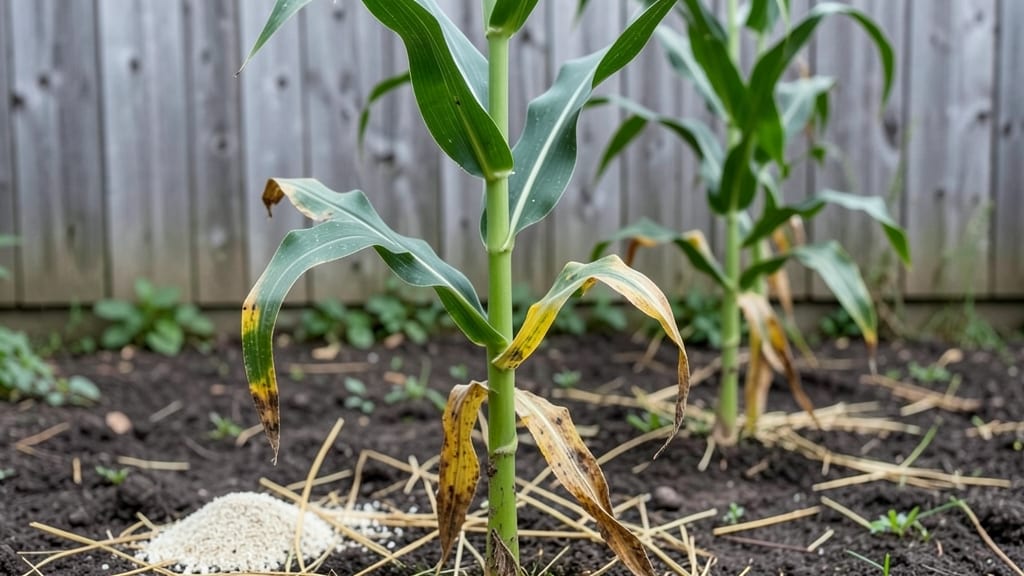
Magnesium deficiency in corn plants turns those lush green leaves into patchy yellow nightmares—something I learned the hard way after my first corn patch looked more like a sickly wheat field than a thriving crop.
The telltale signs are unmistakable: yellowing between the veins while the veins stay green, starting at the older leaves and creeping upward like a slow-motion takeover.
Here’s the kicker: this isn’t just about aesthetics. Stunted growth and weaker stalks mean fewer ears and lower yields, and corn plants can’t just "tough it out" like some other crops. The good news? Fixing it is quicker than you’d think—whether you’re dealing with young seedlings or mature plants.
A simple soil test or even a DIY Epsom salt spray can turn things around in just a few weeks.
You’ll see the first signs of recovery within 7-10 days after treatment: new leaves stay green, growth speeds up, and those yellow patches shrink back. The key is acting fast before the deficiency spreads to the younger leaves, where it can stunt the plant’s ability to develop properly.
Prevention is even easier—just keep your soil balanced with regular compost or a slow-release fertilizer.
Works for backyard plots, large-scale farms, or even container-grown corn. The solutions are straightforward, and the results speak for themselves—healthy plants that grow tall and strong, not weak and yellow. Let’s get those leaves back to their vibrant best.
Root Causes of Magnesium Loss
Magnesium deficiency in corn plants—often revealed by yellowing leaves, weak stalks, or poor grain development—rarely happens by chance. Instead, it’s the result of soil, environmental, or management factors that disrupt magnesium uptake or availability.
Understanding these triggers is the first step to preventing or correcting the issue. Below, we break down the key culprits and why they starve your corn of this essential nutrient.
Magnesium (Mg) thrives in soils with a slightly acidic to neutral pH (6.0–7.5). When pH drifts too high (alkaline) or too low (acidic), magnesium becomes locked away or leaches out of reach. Here’s how:
- High pH (Calcium & Potassium Dominance): Corn fields with excessive lime (high calcium) or heavy potassium fertilization push magnesium into the background. Calcium and magnesium compete for the same soil exchange sites—if calcium wins, magnesium gets crowded out and unavailable to roots. 🔬 Test your soil’s calcium-to-magnesium ratio (Ca:Mg); ideal is 5:1 or lower.
- Low Organic Matter: Organic matter acts like a sponge, holding magnesium in a plant-available form. Soils low in humus (<1% organic matter) release magnesium too quickly, flushing it beyond root zones during rain. 💡 Add compost or cover crops (like clover) to boost organic Mg reservoirs.
- Leaching in Sandy Soils: Sandy, coarse-textured soils have poor cation exchange capacity (CEC), meaning magnesium washes away with irrigation or heavy rain. Unlike clay soils that cling to nutrients, sand acts like a sieve. ⚠️ Monitor drainage and consider foliar sprays for sandy fields.
Water isn’t just H₂O—it’s a magnesium thief when managed poorly. Over- or under-watering disrupts nutrient balance in two critical ways:
- Excessive Irrigation: Frequent flooding or overwatering leaches magnesium from the root zone faster than roots can absorb it. This is especially true in high-rainfall zones or fields with poor drainage. 📉 Use soil moisture sensors to avoid waterlogging; drip irrigation conserves Mg better than flood methods.
- Drought Stress: When soil dries out, magnesium uptake plummets because roots can’t access water—or the nutrients dissolved in it. Even if magnesium is present, corn prioritizes water absorption over nutrient uptake during dry spells. 🌞 Mulch to retain moisture and apply magnesium-rich fertilizers before droughts hit.
- Hard Water Buildup: Irrigation with high bicarbonate (HCO₃⁻) or calcium water can precipitate magnesium into insoluble forms (like magnesium carbonate). Over time, this turns soil into a Mg desert. 🧪 Test your irrigation water for hardness; use gypsum (calcium sulfate) to flush out excess bicarbonates.
Corn is a heavy feeder, but not all nutrients play nice together. When one nutrient hogs the spotlight, magnesium gets starved out. Here’s how:
- Potassium (K) Overload: Potassium and magnesium compete for the same uptake pathways in roots. Fields fertilized with high potassium (e.g., muriate of potash, KCl) often develop Mg deficiency because roots prefer potassium for energy production. ⚖️ Balance K with Mg by using sulfate-based potassium (e.g., potassium sulfate, K₂SO₄) or dolomitic lime.
- Nitrogen Excess: Too much nitrogen (especially ammonium-based fertilizers) acidifies soil, which increases magnesium leaching. Plus, corn growing too fast with excess N dilutes magnesium in plant tissues. 🚜 Split nitrogen applications and pair with magnesium sources like Epsom salt (MgSO₄).
- Phosphorus Lockout: High phosphorus levels can bind magnesium into unavailable compounds (e.g., magnesium phosphate). This is common in highly fertilized or manured soils. 🔄 Use a soil test to check P levels; avoid over-applying phosphate fertilizers.
Magnesium deficiency isn’t just a soil problem—it’s also a weather and stress response. Corn plants under duress mobilize magnesium from older leaves to support new growth, leading to classic deficiency symptoms:
- Extreme Temperatures: Heat stress (above 90°F/32°C) or cold snaps disrupt root function, reducing magnesium absorption. High temperatures also increase transpiration, pulling magnesium out of leaves faster than it’s replaced. ❄️☀️ Use shade cloth in nurseries or mulch to moderate soil temps; apply foliar Mg before heatwaves.
- High Salinity: Salty soils (from poor drainage, seawater intrusion, or over-fertilization) damage root membranes, preventing magnesium uptake. Salts like sodium (Na⁺) displace magnesium on soil particles. 🧂 Flush soil with fresh water and use gypsum to improve structure.
- Pest & Disease Damage: Rootworms, nematodes, or fungal infections (like Fusarium) destroy root hairs, the tiny structures that absorb magnesium. Even herbicide drift can weaken roots, cutting off Mg supply. 🐜 Rotate crops, use resistant varieties, and monitor for pests early.
Key Takeaway: Magnesium deficiency in corn is almost never a single issue—it’s a cascade of soil, water, and management factors working against your plants. The good news? Diagnosing the root cause (literally and figuratively) lets you target fixes with precision. Start with a soil test, then adjust pH, irrigation, and fertilization to restore balance. 🚀
Fixing Magnesium Deficiency Fast
Magnesium deficiency in corn plants can be frustrating, but the good news is that quick fixes and long-term prevention strategies can restore your crop’s health.
Below, we break down practical solutions based on the root cause—whether it’s soil issues, improper watering, or nutrient competition—so you can take action right away.
If your soil is too acidic or alkaline, magnesium becomes locked away and unavailable to plants.
How to Fix It:
- Test your soil (use a home kit or send a sample to a lab).
- Adjust pH to 6.0–7.0 (ideal for magnesium uptake):
- For acidic soil (pH < 6.0): Add lime (calcium carbonate) or wood ash (follow package rates).
- For alkaline soil (pH > 7.0): Mix in elemental sulfur or peat moss to lower pH gradually.
💡 Pro Tip: Avoid over-limeing—too much calcium can displace magnesium, making the problem worse!
Corn plants need immediate magnesium boosts when deficiency strikes. Here’s how to deliver it effectively:
🔥 Short-Term Fixes (Foliar Sprays & Quick Absorption)
- Epsom salt (magnesium sulfate) spray:
- Mix 1 tablespoon of Epsom salt per gallon of water.
- Spray leaves (top & bottom) in the early morning or late evening (avoid direct sunlight).
- Repeat every 7–10 days until leaves regain green color.
- Magnesium sulfate granules (for soil):
- Apply 1–2 lbs per 100 sq ft around plant bases.
- Water thoroughly to help roots absorb it.
👨🍳 Long-Term Soil Amendments (For Prevention)
- Dolomitic lime: Provides both magnesium and calcium (best for acidic soils).
- Kieserite (magnesium sulfate mineral): Slow-release, great for sandy soils.
- Compost or manure: Adds organic magnesium over time (use well-aged compost to avoid burning roots).
⏰ Best Time to Apply:
- Foliar sprays: Apply when you first notice yellowing (interveinal chlorosis).
- Soil amendments: Work into soil before planting or early in the growing season.
Overwatering or poor drainage can flush magnesium out of the root zone.
How to Fix It:
- Water deeply but less frequently (corn hates soggy roots).
- Check drainage: If water pools after rain, amend soil with sand or perlite.
- Mulch around plants to retain moisture and prevent magnesium leaching.
🌡️ Pro Tip: Morning watering is best—it reduces evaporation and fungal risks.
Too much calcium, potassium, or ammonium nitrogen can block magnesium uptake.
How to Fix It:
- Balance your fertilizer ratios (aim for a 3-1-2 NPK ratio for corn).
- Avoid over-applying nitrogen (especially in ammonium form)—switch to slow-release or organic nitrogen (like compost tea).
- Reduce calcium sources (like gypsum) if magnesium levels are already low.
🎯 Prevention Tip:
- Soil test every 2–3 years to monitor magnesium levels before symptoms appear.
Healthy soil = happy corn plants. Organic matter improves magnesium retention.
How to Fix It:
- Add compost (1–2 inches mixed into top 6 inches of soil).
- Plant cover crops (like clover or alfalfa) before corn—these fix magnesium in the soil.
- Use worm castings (rich in magnesium and beneficial microbes).
✨ Bonus: Seaweed extract (as a foliar spray) can enhance magnesium absorption naturally.
If your corn is already stunted with brown, crispy leaves, act fast:
- Prune damaged leaves (helps the plant focus energy on new growth).
- Apply a high-magnesium fertilizer (like magnesium nitrate) via drip irrigation or foliar spray.
- Reduce stress—avoid heavy pruning or excessive tilling.
Final Reminder: Prevention is key! Test soil annually, rotate crops, and use balanced fertilizers to keep magnesium levels optimal.
Now that you’ve got the fixes, get back to your garden and watch those corn plants bounce back! 🌽💚
Frequently asked questions about yellowing corn leaves
Why do older leaves turn yellow first when corn lacks magnesium?
Corn plants mobilize magnesium from older leaves to support new growth, which is why yellowing starts there. The older leaves act as nutrient reservoirs, sending magnesium to younger leaves where it’s needed most for photosynthesis. This process is called remobilization, and it’s why you’ll see classic interveinal chlorosis (yellowing between veins) before the problem spreads.
Can I use Epsom salt for corn plants with magnesium deficiency?
Mix 1 tablespoon of Epsom salt (magnesium sulfate) per gallon of water and spray it on leaves in the early morning or evening. For faster results, combine this with soil application of 1–2 lbs of magnesium sulfate per 100 sq ft. Repeat every 7–10 days until you see new green growth. It’s one of the most cost-effective and quick fixes for magnesium deficiency.
How do I know if my corn’s yellowing is from magnesium deficiency or another issue?
Check for these clues: yellowing between veins while veins stay green (interveinal chlorosis) is the key sign. Other issues like nitrogen deficiency cause uniform yellowing, while fungal diseases often show spots or irregular patterns. Also, magnesium deficiency usually starts on older leaves and moves upward, whereas potassium deficiency affects younger leaves first.
Will fixing magnesium deficiency improve corn yield?
Yes! Magnesium is critical for photosynthesis and grain development—deficiency can reduce yields by up to 30%. Correcting the issue early (when you first see yellowing) helps plants recover faster, leading to stronger stalks, better ear development, and higher-quality kernels. The sooner you act, the more dramatic the yield improvement will be.
How often should I test soil for magnesium levels?
Test your soil every 2–3 years if you grow corn regularly, or whenever you notice yellowing leaves. A simple home test kit works, but for precise results, send a sample to a lab. Pay special attention to pH and cation exchange capacity (CEC))—these factors directly affect magnesium availability. Proactive testing helps you catch deficiencies before they harm your crop.