
Pruning
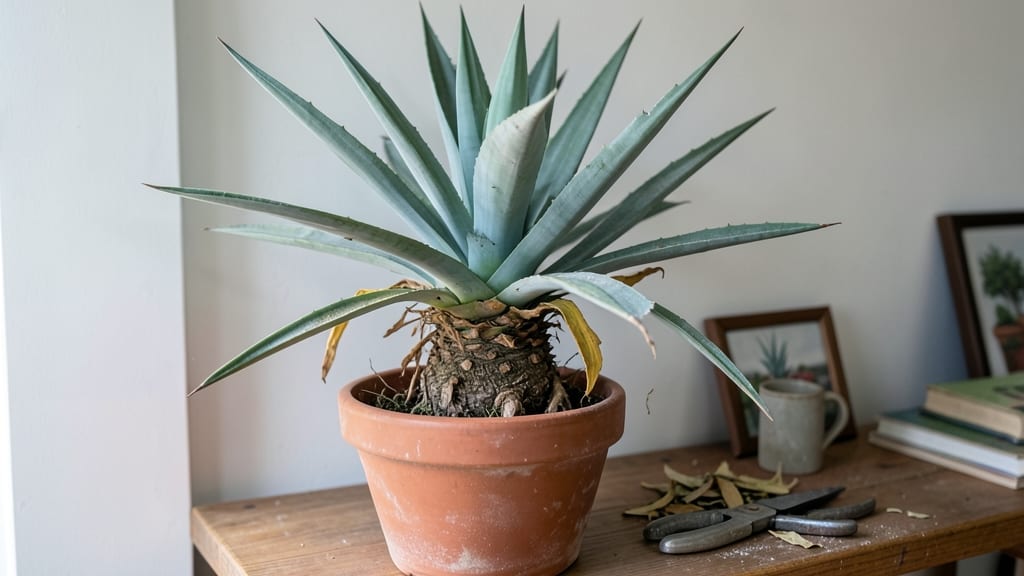
Pruning your outdoor yucca plant in late winter reveals its hidden potential—thicker stems, more blooms, and a shape that commands attention. 🌿 I’ve seen yuccas go from scraggly to showstopping in just one season with the right cuts, and the best part?
It’s simpler than you think. The key is timing: late winter or early spring, when the plant’s dormant and ready to rebound. You’ll remove dead growth, encourage new shoots, and keep the plant’s natural form without sacrificing its striking structure.
Start with the right tools—a sharp pair of pruners or loppers (for thicker stems) and gloves, because those sharp leaves don’t play nice. Look for brown, dry, or broken leaves at the base or along the stems—these are your targets.
Cut just above a healthy node or branch, and avoid hacking into the center of the plant, which can invite rot or pests. Most yuccas bounce back in weeks, sending out fresh growth that’s thicker and more vibrant than before.
What you end up with is a yucca that looks like it belongs in a desert landscape, not your backyard. The new growth emerges with a satisfying snap, and by summer, you’ll have fuller foliage and—if you’re lucky—tall spikes of fragrant white or yellow blooms.
The plant stays healthier, too, with better air circulation and less risk of disease. Just avoid pruning in fall or during heatwaves, when the plant is already stressed.
This method works for all common yucca varieties, from the towering Adam’s needle to the compact Spanish dagger. Whether you’re shaping a single plant or maintaining a border, the same principles apply. Ready to give your yucca the trim it deserves?
📚 In This Guide
- What you need
- Instructions
- Tips and common mistakes
- Wrapping up and next steps
What you need
- ● Sharp bypass pruners – 1 pair (for clean cuts on smaller stems, 3–5 inches in diameter). Look for bypass-style (not anvil) to avoid crushing.
- ● Lopper shears – 1 pair (for thicker stems, up to 2 inches wide). Opt for long-handled models for reach.
- ● Hand pruners – 1 pair (for delicate trimming of leaves or small branches). Choose ergonomic handles for comfort.
- ● Heavy-duty gloves – 1 pair (gardening gloves with cut-resistant palms to protect from sharp yucca edges and sap).
- ● Disinfectant (70% isopropyl alcohol or bleach solution) – small bottle (to sterilize tools between cuts and prevent disease spread).
- ○ Pruning saw – 1 (optional but helpful for very thick stems) (if your yucca has woody, mature growth over 2 inches thick).
- ● Compost bin or trash bag – 1–2 (for disposing of pruned material; yucca debris can be composted if disease-free).
- ● Ladder or step stool – 1 (if your yucca is tall) (ensure it’s stable and rated for your weight).
- ● Rubbing alcohol wipes – For quick tool sterilization on the go.
- ● Plant sealant (pruning paste) – small tube (applies to large cuts to prevent sap oozing and pests).
- ● Hose or bucket of water – To rinse tools and clean up sap stains.
- ● Safety glasses – If pruning near your face or eyes.
- ● Notebook & pen – To sketch your yucca’s shape before trimming (great for planning!).
Step-by-Step guide to pruning outdoor yucca plants
Here’s how to keep your yucca looking sharp and healthy through every season.
🌿 Step 1: Late Winter Pruning for New Growth
Start your yucca’s fresh start in late winter (just before new shoots emerge) by removing any dead, brown, or damaged leaves at the base. Yuccas are tough, but dead foliage steals energy from new growth. Use clean, sharp pruning shears to cut just above the leaf’s base—never tear or rip, as this can leave ragged edges that invite pests.
Look for yellowing or mushy stems too; these are signs of rot and should be trimmed back to healthy green tissue. If you spot any pups (small offshoots at the base), leave them for now—they’ll be ready to transplant in spring. After pruning, give your yucca a light application of balanced fertilizer (like 10-10-10) to fuel its spring rebound.
✂️ Step 2: Summer Trimming for Shape and Airflow
Mid-summer is the time to shape your yucca and improve airflow, which prevents fungal issues. Focus on overcrowded or crossing leaves—these create tight clusters where humidity lingers. Trim back any leaves that are leaning too far outward or blocking sunlight from the center. Cut just above a leaf node (the bump where leaves meet the stem) to encourage branching.
If your yucca has grown taller than 4 feet, you can also lightly trim the top 6-12 inches of the oldest leaves to encourage bushier growth. Avoid cutting more than one-third of the plant’s height at once—yuccas recover slowly from heavy pruning. After trimming, rinse the shears with rubbing alcohol to prevent spreading disease between cuts.
🌱 Step 3: Fall Cleanup for Winter Prep
As temperatures drop in early fall, do a final cleanup to remove any remaining dead leaves, seed pods, or weak stems. Yucca seed pods are pretty but drain energy—snip them off at the base to redirect the plant’s resources into root strengthening. Focus on leaves that are brown or crispy (a sign of stress) and trim them back to healthy green growth.
This is also the time to reduce watering—yuccas go dormant in winter, and overwatering can lead to rot. After pruning, apply a 2-inch layer of gravel or mulch around the base (but not touching the trunk) to insulate roots and deter weeds. If your yucca is in a winter-chill zone, a light dusting of anti-desiccant spray can protect leaves from frost damage.
⏰ Step 4: Year-Round Maintenance Checks
Between seasonal trims, do a quick monthly check for pests like scale or mealybugs—these love yucca’s sap. Wipe leaves with a soapy water cloth (1 tsp dish soap per gallon of water) to keep them clean. If you notice new growth slowing or leaves turning yellow, it’s a sign of overwatering—yuccas thrive on drought conditions and need water only when the soil is completely dry.
Finally, rotate your yucca every few months so all sides get even sunlight. You’ll see it grow more evenly shaped and less leggy over time. A well-pruned yucca rewards you with bold, upright growth and fewer pests—worth the effort!
Tips & tricks for perfect yucca plant pruning
A few key tricks will help you avoid common mistakes and keep your yucca thriving all year.
Timing Secret: Late winter pruning in Step 1 is all about catching the plant just before new shoots emerge. Watch for the first tiny green buds—this is your cue to prune. If you prune too early, you risk removing potential growth; if you wait too long, you'll be cutting into new leaves. I always set a reminder for late February in my colder zones, as this is typically when yuccas start waking up from dormancy.
Tool Technique: Never skip sterilizing your pruning shears between cuts, especially in Step 2 when shaping. I keep a small bottle of rubbing alcohol right by my gardening tools and wipe them down after every 3-4 cuts. This prevents spreading fungal spores or bacterial infections between leaves. For stubborn stems, I use a small saw blade attachment on my pruners—it makes cutting through thick yucca stems much easier without crushing the plant tissue.
Seasonal Strategy: The fall cleanup in Step 3 is your chance to do a thorough health check. Beyond just removing dead leaves, examine the base of your plant for any signs of pests or rot. I've found that yucca seed pods often hide scale insects on their undersides—remove them all, even if they look healthy. This prevents a winter infestation that could spread to new growth in spring. The 2-inch gravel mulch layer is non-negotiable in my zone 8 garden—it's made all the difference in preventing winter rot.
Growth Hack: When encouraging branching in Step 2, focus on cutting just above a leaf node where you want new growth to emerge. I've found that making these cuts at a slight angle helps water run off better, reducing the risk of rot. For very tall yuccas, I never trim more than 6 inches at a time—this gradual approach prevents shock. You'll notice new side shoots appearing within 4-6 weeks after your summer trim, especially if you've been rotating the plant for even sunlight exposure.
Pro Tips for Outdoor Yucca Plant Pruning
- A few key tricks will help you avoid common mistakes and keep your yucca thriving all year.
- Timing Secret: Late winter pruning in Step 1 is all about catching the plant just before new shoots emerge.
- Tool Technique: Never skip sterilizing your pruning shears between cuts, especially in Step 2 when shaping.
Frequently asked questions
Got questions about pruning your outdoor yucca plants?
Here are some of the most common concerns—plus quick, actionable answers to keep your plants thriving year-round.
When is the best time to prune a yucca plant?
The ideal time to prune yucca is late winter or early spring, just as new growth begins. This timing ensures you remove dead or damaged foliage without harming the plant’s energy reserves. Avoid pruning in summer heat or winter dormancy, as stress can weaken the plant.
How do I prune a yucca plant without killing it?
Start by cutting only dead, brown, or yellow leaves at the base with clean, sharp pruners. Avoid over-pruning—remove no more than 30% of the plant’s foliage at once. Sterilize your tools with rubbing alcohol to prevent disease, and never prune healthy green leaves unless they’re damaged.
What should I do with the cuttings after pruning?
Yucca cuttings can root easily! Let them dry for 1–2 days to callus over, then plant them in well-draining soil. Keep the soil lightly moist (not soggy) and place them in partial shade for a few weeks. Once rooted, they’ll thrive as new plants—great for propagation!
Why is my yucca plant turning brown after pruning?
Brown leaves post-pruning are usually normal if they were already dead or dying. However, if healthy green leaves turn brown, you may have over-pruned or stressed the plant. Ensure it gets full sun, well-draining soil, and minimal water (yuccas hate soggy roots!). If browning persists, check for pests like scale insects.
Can I prune a yucca plant in fall or winter?
Pruning in fall or winter is possible, but it’s riskier since yuccas are semi-dormant. If you must prune, do so before the first frost and remove only obviously dead growth. Avoid heavy trims—wait until spring for major shaping. Cold stress + pruning = extra shock for the plant.
Wrapping up and next steps
Pruning your outdoor yucca plant doesn’t have to be intimidating—it’s all about timing, technique, and a little TLC. 🌱 Whether you’re trimming dead foliage, shaping for aesthetics, or encouraging new growth, these seasonal tips will keep your yucca thriving year-round.
With the right tools and confidence, you’ll enjoy a healthier, more vibrant plant that’s the star of your garden!
Ready to take the next step? Grab your pruners and schedule that first trim—your yucca will thank you with lush, striking foliage for seasons to come! 🌿