
Propagation
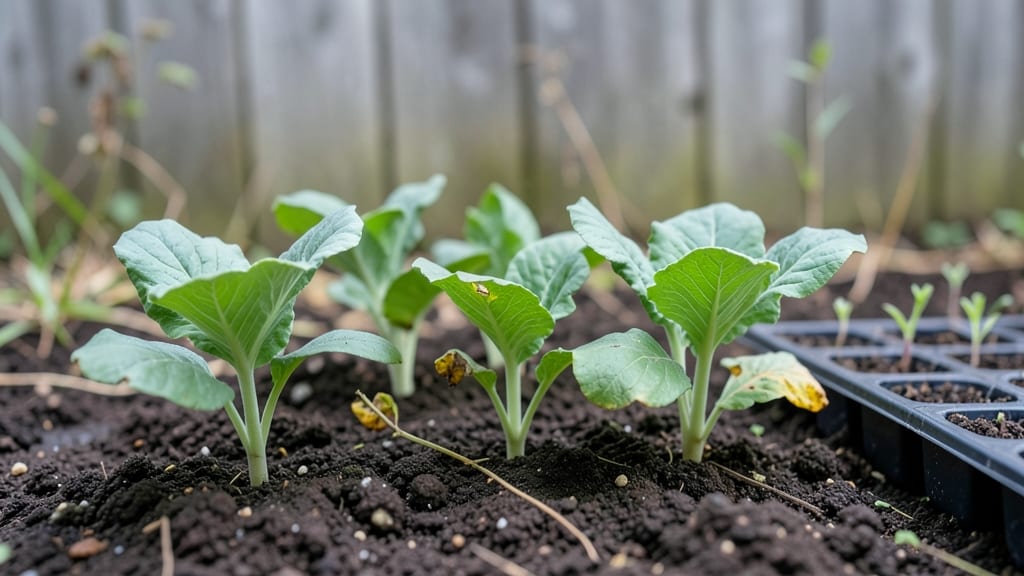
Planting veggie seeds the right way turns your first sprouts from a slow wait into a 7-10 day race to the soil surface. I’ve watched seeds take three weeks to germinate—until I learned the simple adjustments that cut that time in half.
The difference between patience and frustration often comes down to soil warmth, moisture consistency, and knowing exactly how deep each seed needs to go.
You don’t need fancy equipment—just a sunny spot, the right container or seed tray, and a soil mix that’s light and crumbly. I use a basic potting soil with perlite to improve drainage, and I keep it moist like a wrung-out sponge.
The key is consistency: too dry and seeds stay dormant; too wet and they rot before sprouting. Most seeds need to be planted at a depth roughly 2-3 times their width, though tiny seeds like lettuce barely need covering at all.
By the time those first green hooks break through, you’ll see why this method works. The seedlings emerge stronger and more uniform, giving you a head start on the growing season.
No more weak, leggy starts—just sturdy plants ready to thrive in your garden. Here’s how to make it happen every time.
This works for tomatoes, peppers, beans, and even finicky greens, whether you’re starting in late winter or early spring. The same principles apply to containers or garden beds—just adjust your timing for your local frost dates. Let’s get those seeds sprouting faster than ever.
📚 In This Guide
- What you need
- Instructions
- Tips and common mistakes
- Wrapping up and next steps
What you need
- ● Veggie seeds: Choose heirloom or hybrid varieties (e.g., tomatoes, peppers, lettuce, or herbs). Start with 5–10 seeds per type for small gardens.
- ● Seed-starting mix: A lightweight, sterile potting soil (avoid garden soil—it’s too dense!). Use 1–2 bags (8–16 quarts) depending on container size.
- ● Containers: Seed trays with cells (for organized starts) or
- ● Small pots (3–4 inches deep) or
- ● Repurposed containers (yogurt cups, egg cartons) with drainage holes.
- ● Drainage trays or saucers: To catch excess water and prevent root rot.
- ● Grow lights or sunny windowsill: 6–8 hours of light daily (south-facing windows or LED grow lights work best).
- ● Plant labels: Wooden sticks or plant markers to track varieties (write with waterproof ink!).
- ● Spray bottle: For gentle watering (avoids disturbing seeds).
- ○ Gloves (optional): Protects hands from soil and prickly plants like okra.
- ○ Heat mat (optional): Speeds germination for slow starters like peppers (70–85°F range).
- ● Know your last frost date: Check local guidelines to time planting (e.g., 4–6 weeks before for indoor starts).
- ● Warmth: Most seeds germinate best at 65–75°F (use a basement or refrigerator for cold-sensitive seeds if needed).
- ● Patience: Germination times vary—some seeds sprout in 3–7 days (radishes), while others take 2–3 weeks (tomatoes).
Step-by-Step instructions for planting veggie seeds
Here's how to get your vegetable seeds sprouting in record time with these proven techniques.
Prepare Your Containers and Soil Mix
Start with clean, shallow containers—plastic cell packs or small pots work perfectly. Fill them with a sterile seed-starting mix, not garden soil, because it's too heavy and can harbor diseases that slow germination. I like to moisten the mix first with warm water until it's damp but not soggy. You want it to hold together when squeezed gently, like a damp sponge.
Press the soil down lightly to remove air pockets, which can prevent seeds from making good contact with the moist mix. Tap the container gently on the table once or twice to settle everything evenly. This ensures your seeds have consistent contact with moisture and warmth, two critical factors for fast germination.
Plant Seeds at the Right Depth
Most vegetable seeds should be planted at a depth of about twice their diameter. For example, tiny lettuce seeds go in just ¼ inch deep, while larger beans need 1 inch. I use the tip of my finger to make a small hole—just enough to hold the seed without crushing it.
Place one seed per hole and cover it lightly with soil. Press down just enough to secure it, but don't pack it tightly. Overcrowding seeds leads to weak, leggy seedlings later. If your seed packet suggests sowing multiple seeds in a hole, space them ½ inch apart—this gives you backup sprouts if some fail to germinate.
Water Gently and Provide Warmth
After planting, water the soil gently with a spray bottle or a fine-mist setting on your watering can. You want the soil to be moist but not drenched—think of it like dampening a sponge, not soaking it. Overwatering can wash seeds away or create a waterlogged environment that suffocates them.
Place your containers in a warm spot, ideally between 70-80°F. A seedling heat mat works wonders here, especially for slower-germinating seeds like peas or carrots. Keep the soil consistently moist but never soggy. You'll know it's right when the surface looks slightly damp but doesn't glisten with excess water.
Create the Perfect Germination Environment
Cover your containers with clear plastic wrap or a humidity dome to trap warmth and moisture. This creates a mini greenhouse effect that speeds up germination. Check daily for condensation—if the inside of the cover fogs up, your humidity is perfect. If it stays dry, add a little more water to the soil.
Most vegetable seeds sprout within 5-10 days, but some, like onions or leeks, can take 2-3 weeks. Patience is key here. Once you see the first green shoots, remove the cover immediately to prevent mold or damping-off disease, which can kill seedlings overnight.
Move to Light Immediately After Sprouting
The moment your seedlings emerge, move them to a bright location with at least 12 hours of light daily. A south-facing window or a grow light works best. Without enough light, seedlings stretch toward the light source, becoming weak and leggy. You'll notice strong seedlings have thick stems and dark green leaves.
If using a grow light, position it 2-3 inches above the seedlings and raise it gradually as they grow. Rotate the containers daily so all sides get even light exposure. This ensures your seedlings grow straight and sturdy, ready for transplanting in 4-6 weeks.
Tips & tricks for planting veggie seeds
These little tricks will help you bypass the common pitfalls that slow down germination and get those sprouts popping faster than ever.
Soil Prep Secret: When moistening your sterile seed-starting mix, warm the water slightly—around 80°F is ideal. Cold water can shock seeds and slow germination. After wetting, let the mix sit for 10 minutes before planting to ensure even moisture distribution throughout the container. This pre-warming step gives your seeds a head start in the critical first 12 hours.
Depth Matters: The twice-the-diameter rule in Step 2 is non-negotiable for most seeds, but here's the thing: for very tiny seeds like lettuce, you can actually press them gently onto the surface rather than burying them at all. Just keep them in contact with the moist soil. This mimics their natural habitat where light triggers germination, and you'll often see sprouts in just 3-5 days instead of the usual 5-10.
Humidity Hack: After covering your containers in Step 4, place them in a shallow tray filled with about ½ inch of warm water. The tray creates a microclimate that maintains perfect humidity without you having to remember to check daily. Just be sure to remove the cover immediately when you see those first green shoots—this prevents the classic damping-off disease that can wipe out seedlings overnight.
Light Transition: When moving your seedlings to light in Step 5, don't rush them. Gradually increase their light exposure over 24 hours by moving them closer to the window or light source in small increments. Sudden bright light can shock tender seedlings, causing them to bleach out or grow unevenly. Think of it like sunbathing—start with short sessions and build up.
Pro Tips for Planting Veggie Seeds
- These little tricks will help you bypass the common pitfalls that slow down germination and get those sprouts popping faster than ever.
- Soil Prep Secret: When moistening your sterile seed-starting mix, warm the water slightly—around 80°F is ideal.
- Just keep them in contact with the moist soil.
Frequently asked questions
Got questions about planting veggie seeds? You’re not alone! Here are some of the most common queries—plus quick, actionable answers to help you grow like a pro.
When is the best time to plant veggie seeds?
The ideal timing depends on your climate and the veggie type. For cool-season crops like lettuce or peas, plant 4–6 weeks before the last frost. Warm-season veggies (tomatoes, peppers) need soil temps above 60°F (15°C). Check your local frost dates or use a planting calendar for precision!
How long does it take for seeds to germinate?
Germination time varies wildly—some seeds (like radishes) sprout in 3–7 days, while others (e.g., carrots or onions) can take 2–4 weeks. Factors like soil warmth, moisture, and seed age play a role. Pro tip: Keep seeds consistently moist (not soggy) and in a warm spot (70–85°F or 21–29°C) to speed things up!
What should I do if my seeds aren’t sprouting?
Don’t panic! First, check if seeds are still viable (test a few in damp paper towels). Common culprits: too-cold soil, dry conditions, or old seeds (most last 1–3 years). Try planting deeper (2x seed width) or in a warmer spot. If all else fails, swap in fresh seeds—some varieties just need extra patience!
Can I plant veggie seeds directly in the ground, or should I start indoors?
It depends! Delicate seedlings (tomatoes, peppers, herbs) thrive indoors 6–8 weeks before transplanting. Hardy crops (beans, peas, carrots) can go straight into the soil. For beginners, starting indoors gives you control over conditions—just harden off plants before moving them outside!
What’s the best way to save money on seeds?
Skip the seed packets and try these tricks: Save seeds from heirloom veggies (let them dry, store in envelopes), swap with gardeners, or buy in bulk online. Even better? Grow from scraps—green onions, potatoes, and herbs (like basil) regrow easily! Just check seed-saving guidelines per plant.
Wrapping up and next steps
Planting veggie seeds is a rewarding journey that connects you to nature while filling your kitchen with fresh, homegrown goodness! 🌱 By mastering the right soil, moisture, warmth, and light, you’ll unlock the secret to faster, healthier sprouts—whether you’re a seasoned gardener or just starting out.
The key? Patience, precision, and a little love—your future harvest depends on it.
Ready to dive in? Start small with a few easy-to-grow seeds like lettuce or radishes, then expand your garden as your confidence (and green thumb!) grows. Happy planting—your taste buds will thank you! 🌿