
Diseases
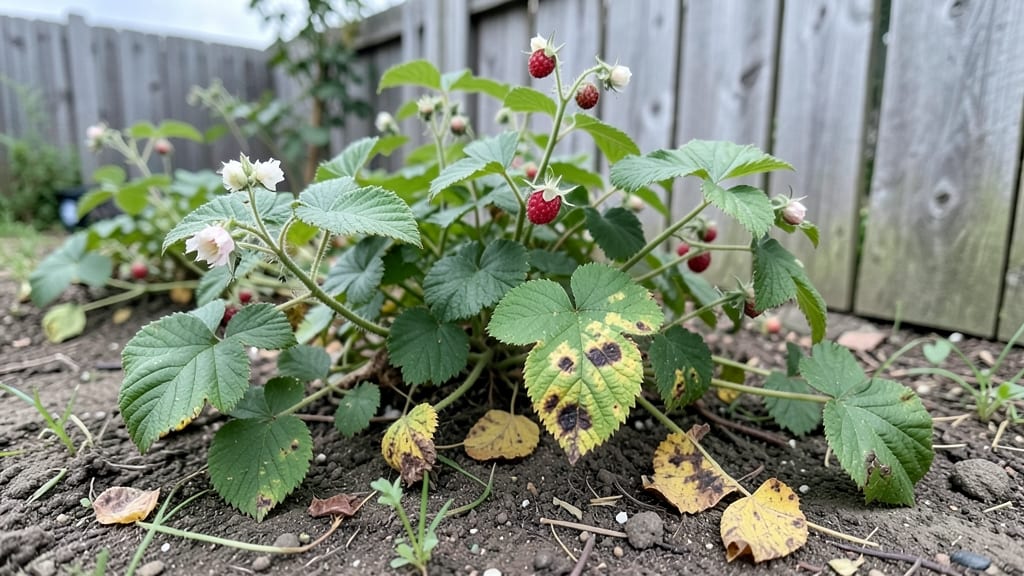
Raspberry plant diseases can silently sabotage your garden, turning vibrant canes into spotted husks before you spot the trouble—until you know the early warning signs. of fungal and bacterial diseases like cane blight and orange rust. The key isn’t just spotting the damage; it’s catching it before it spreads.
Most problems start with damp conditions or crowded canes, but the real damage happens when you ignore the first clues—yellowing leaves, strange spots, or weak new growth. My biggest mistake? Waiting until the plants looked really bad before acting.
The good news? With the right mix of pruning, fungicides, and prevention, you can save even heavily infected bushes. I’ve brought back plants that looked hopeless just by cutting out the worst canes and treating the rest.
You’ll learn to identify each disease by its symptoms—from the fuzzy gray mold of botrytis to the orange pustules of rust—so you can act fast. The goal isn’t just to treat the problem, but to create a raspberry patch that resists future attacks.
Think stronger canes, better airflow, and a few simple organic sprays that work better than chemical overkill. Your berries will thank you.
Whether you’re dealing with a single infected cane or a full patch of trouble, this guide gives you the tools to diagnose, treat, and prevent the worst offenders. No more guessing—just actionable steps to keep your raspberries healthy and productive for years. Let’s get those canes fighting back.
Root causes behind raspberry ailments
Raspberry plants, like any other living organism, are susceptible to diseases due to a mix of environmental stressors, biological threats, and cultural mismanagement. Understanding why these issues arise is the first step to preventing them.
Below, we break down the most common culprits—from fungal spores lurking in the soil to human habits that invite trouble.
Raspberries thrive in well-draining soil, but when excess moisture lingers, it creates the perfect breeding ground for root rot and fungal infections like Phytophthora. Here’s why it happens:
- Oxygen deprivation: Waterlogged soil displaces oxygen, suffocating roots and weakening the plant’s immune response. Fungi like Phytophthora thrive in these anaerobic conditions, attacking roots and crowns.
- Soil compaction: Heavy clay soils or overworked beds prevent water from draining, trapping moisture. Compacted soil also restricts root growth, making plants more vulnerable to stress-related diseases.
- Overwatering habits: While raspberries need consistent moisture (especially during fruiting), daily watering or irrigation without runoff control leads to saturated soil. Pro tip: Aim for 1–1.5 inches of water per week, delivered at the base—not overhead.
💡 Actionable fix: Amend soil with compost or perlite to improve drainage, and plant raspberries on mounds or slopes to encourage runoff. Avoid planting in low-lying areas where water pools.
Fungal diseases like powdery mildew (Sphaerotheca macularis) and botrytis fruit rot (Botrytis cinerea) spread via airborne spores, but they only take hold when conditions are ideal. Here’s the science behind their invasion:
- High humidity + warm nights: Powdery mildew spores germinate best in 70–80°F temperatures with high humidity (70%+). Poor air circulation (e.g., dense canopies or shaded plants) traps moisture on leaves, giving fungi a foothold.
- Wet foliage: Overhead irrigation or morning dew creates a film of water on leaves, which Botrytis spores need to infect. Unlike powdery mildew, Botrytis thrives in cool, wet conditions (50–70°F), making it a spring/fall menace.
- Previous infections: Fungal spores can overwinter in plant debris, soil, or even infected canes. If you don’t remove old canes or sterilize tools, spores reinfect new growth.
🌡️ Actionable fix:
- Space plants 2–3 feet apart for airflow.
- Water at the base in the morning to allow foliage to dry.
- Apply copper fungicides preventatively in spring if your area is prone to mildew.
Insects like raspberry beetles, aphids, and spider mites don’t just sap nutrients—they create entry points for diseases. Here’s how:
- Physical damage: Beetles chew leaves, creating wounds where Botrytis or bacterial infections (like Xanthomonas) can enter. Aphids excrete honeydew, a sugary residue that fosters sooty mold, further stressing the plant.
- Viral vectors: Some pests (e.g., raspberry cane borers) transmit viruses like Raspberry bushy dwarf virus, which weaken the plant’s defenses.
- Stress from feeding: Mites and aphids drain sap, reducing the plant’s ability to produce phenolic compounds—natural antimicrobials that repel pathogens.
🎯 Actionable fix:
- Monitor plants weekly for eggs, webbing, or chewed leaves.
- Use neem oil or insecticidal soap for soft-bodied pests like aphids.
- Introduce beneficial predators (e.g., ladybugs, lacewings) to control outbreaks naturally.
Raspberries are hardy but not heat-tolerant. Sudden temperature shifts—especially cold snaps followed by warm spells—disrupt their natural defenses, making them susceptible to:
- Frost damage: Freeze-thaw cycles rupture cell walls, creating wounds where Botrytis or bacterial cankers (Pseudomonas) invade. Black canker often starts at frost-damaged sites.
- Heat stress: Temperatures above 85°F for prolonged periods cause leaf scorch and reduced photosynthesis, weakening the plant’s ability to fight off pathogens.
- Condensation buildup: Cold nights + warm days create heavy dew, which prolongs leaf wetness—a trigger for Phytophthora and Diplocarpon (raspberry leaf spot).
✨ Actionable fix:
- Mulch with straw or wood chips to moderate soil temps.
- Use shade cloth (30%) during heatwaves to protect young canes.
- Avoid planting in low-lying or frost pockets; choose south-facing slopes for better airflow and sun exposure.
A raspberry plant that’s malnourished or overfed is like a person with a weakened immune system—it can’t fight off invaders. Here’s how imbalances invite disease:
| Deficiency/Imbalance | How It Weakens the Plant | Diseases It Invites |
|---|---|---|
| Low nitrogen (N) | Reduces leaf growth, making foliage thin and sparse, which traps moisture and limits airflow. | Powdery mildew, Botrytis |
| High nitrogen (N) without potassium (K) | Leads to soft, succulent growth that’s more susceptible to mechanical damage (e.g., from wind or hail), creating entry points for bacteria. | Bacterial canker, Xanthomonas leaf spot |